All days
-
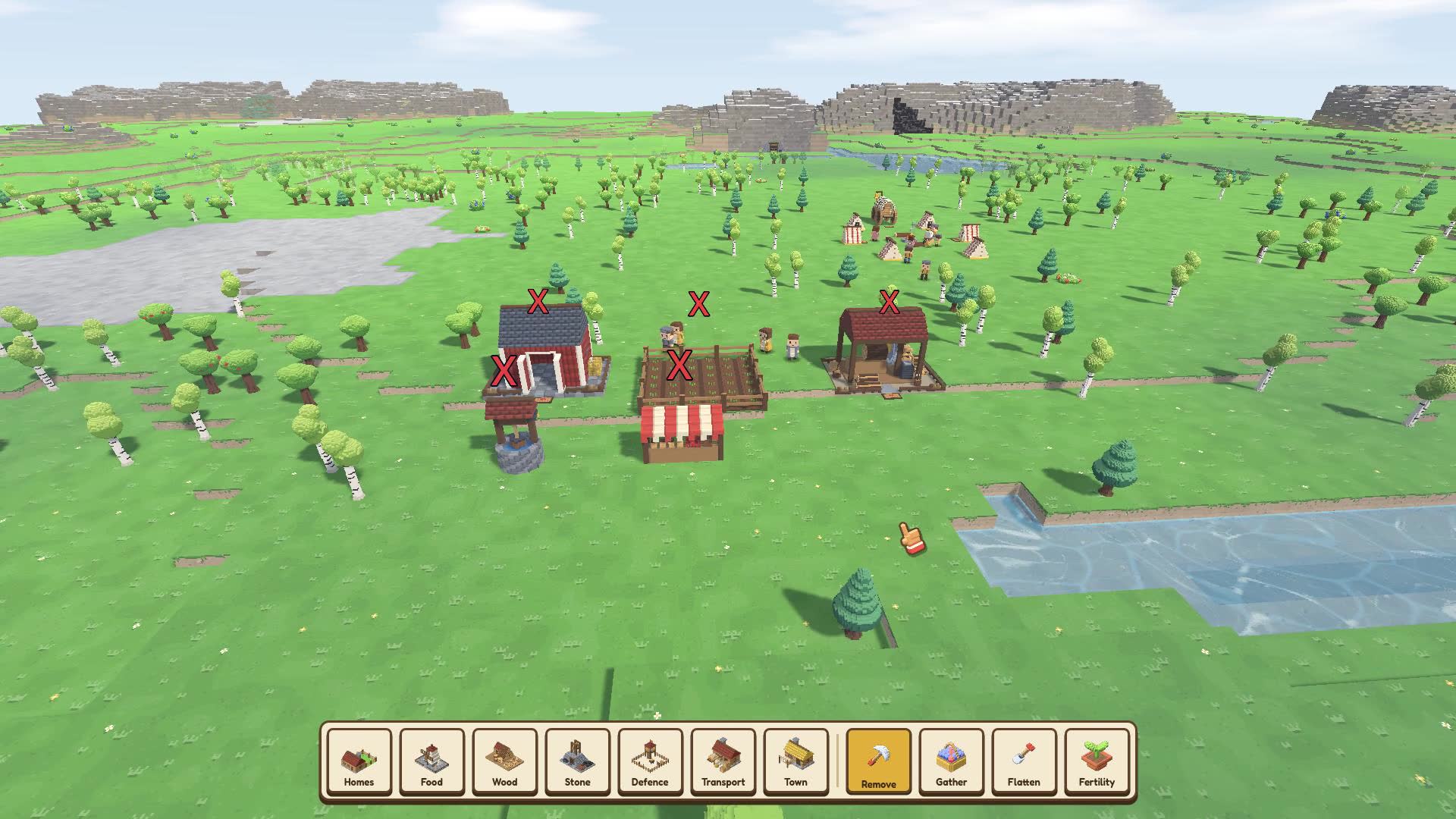
Empty it first
Remove can now be dragged over a whole corner of town, and a sawmill is emptied by its builders before it comes down, its wood left by the door.
-
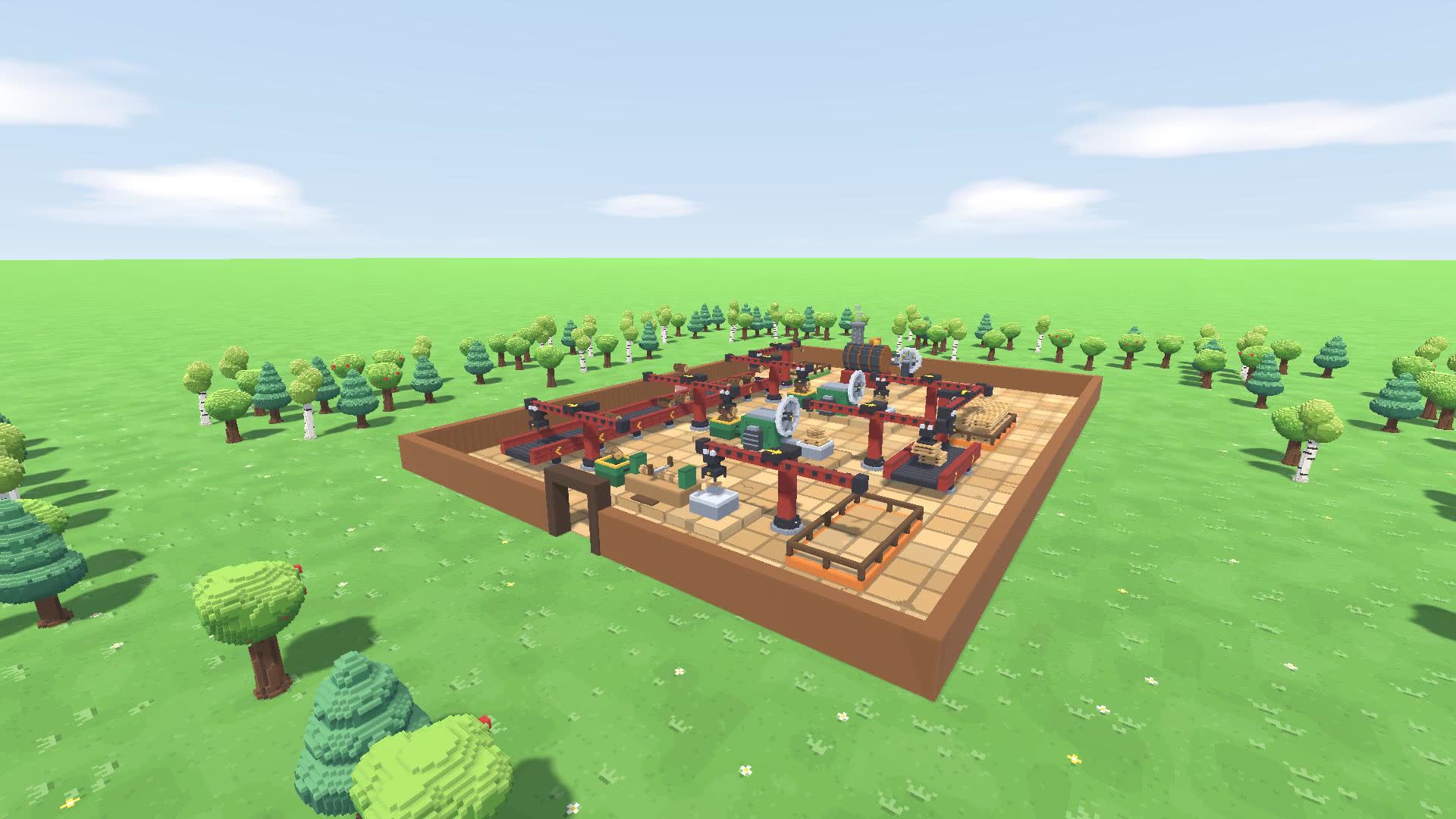
Woods past the wall
Inside a factory the floor used to float in nothing. Now the sawmill stands in a clearing, with grass out to the horizon and trees round its walls.
-
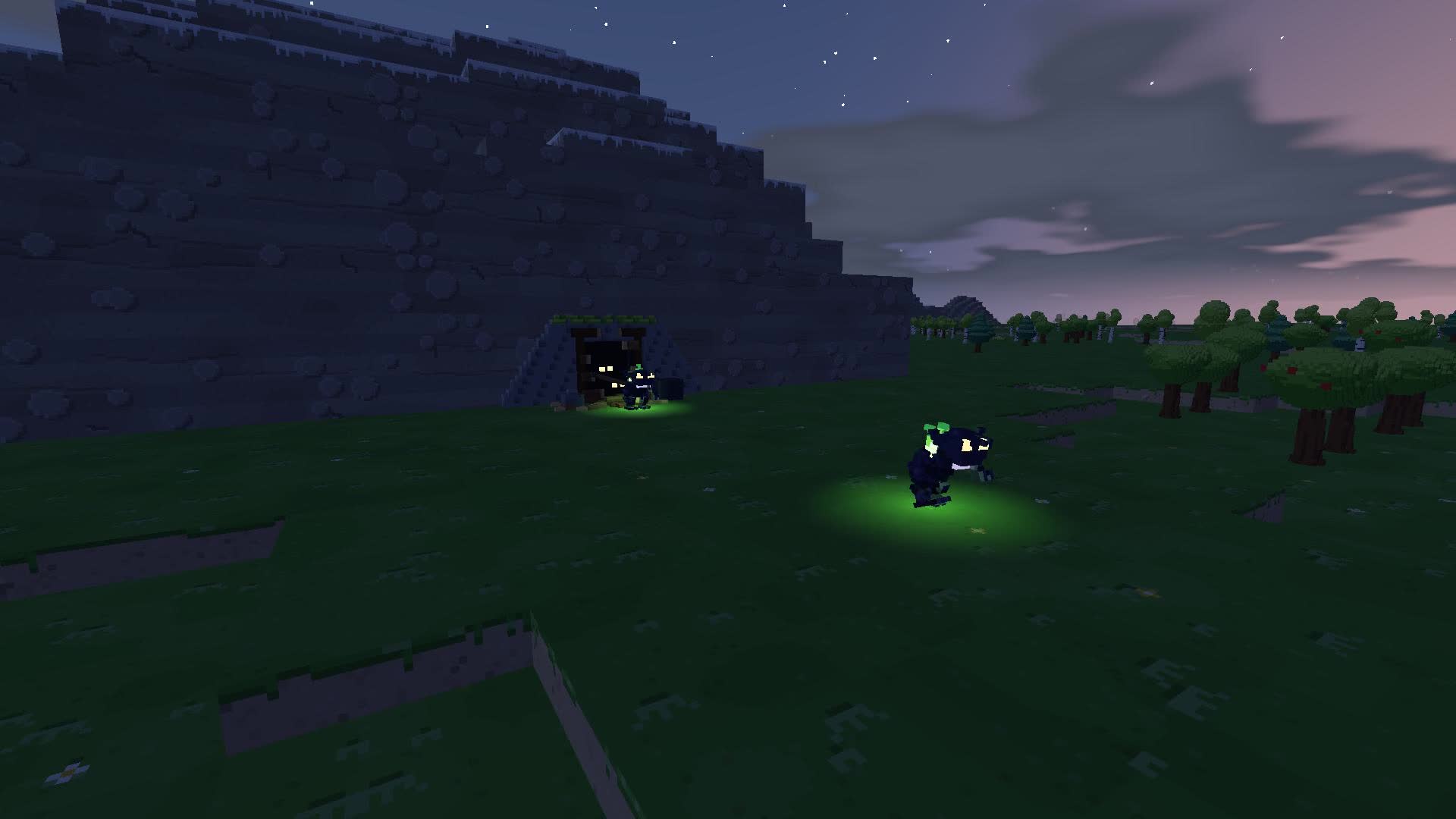
Out of the old shaft
On the first night the camera showed the old shaft from the wrong side of the mountain. Now it looks into its mouth, and the Ashpaws come out with fire that trails behind them.
-
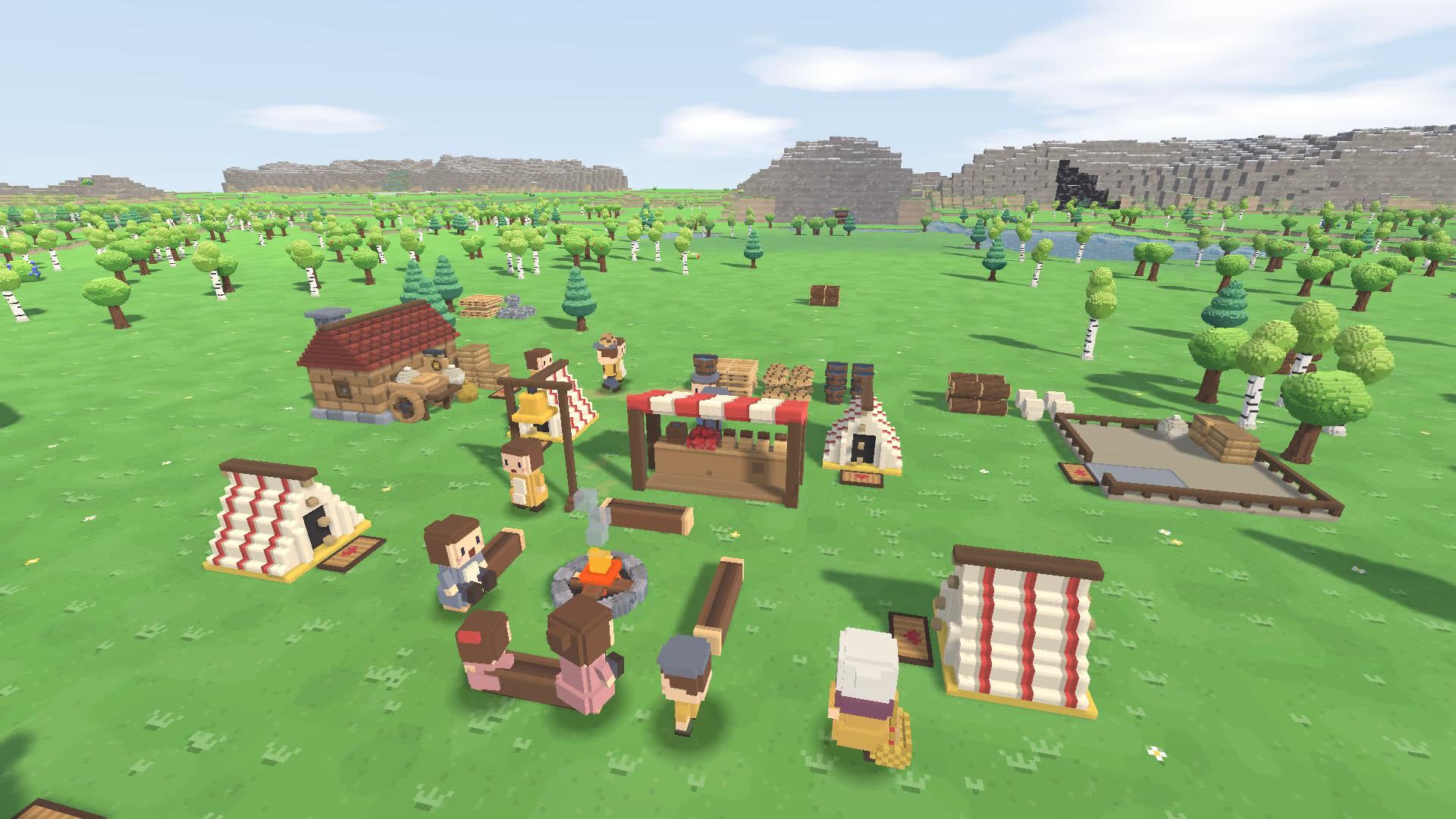
Bread on the ground
My play-test town starved next to a full well and bread in the grass, so the haulers now stock the food stall before any building site and clear the ground.
-
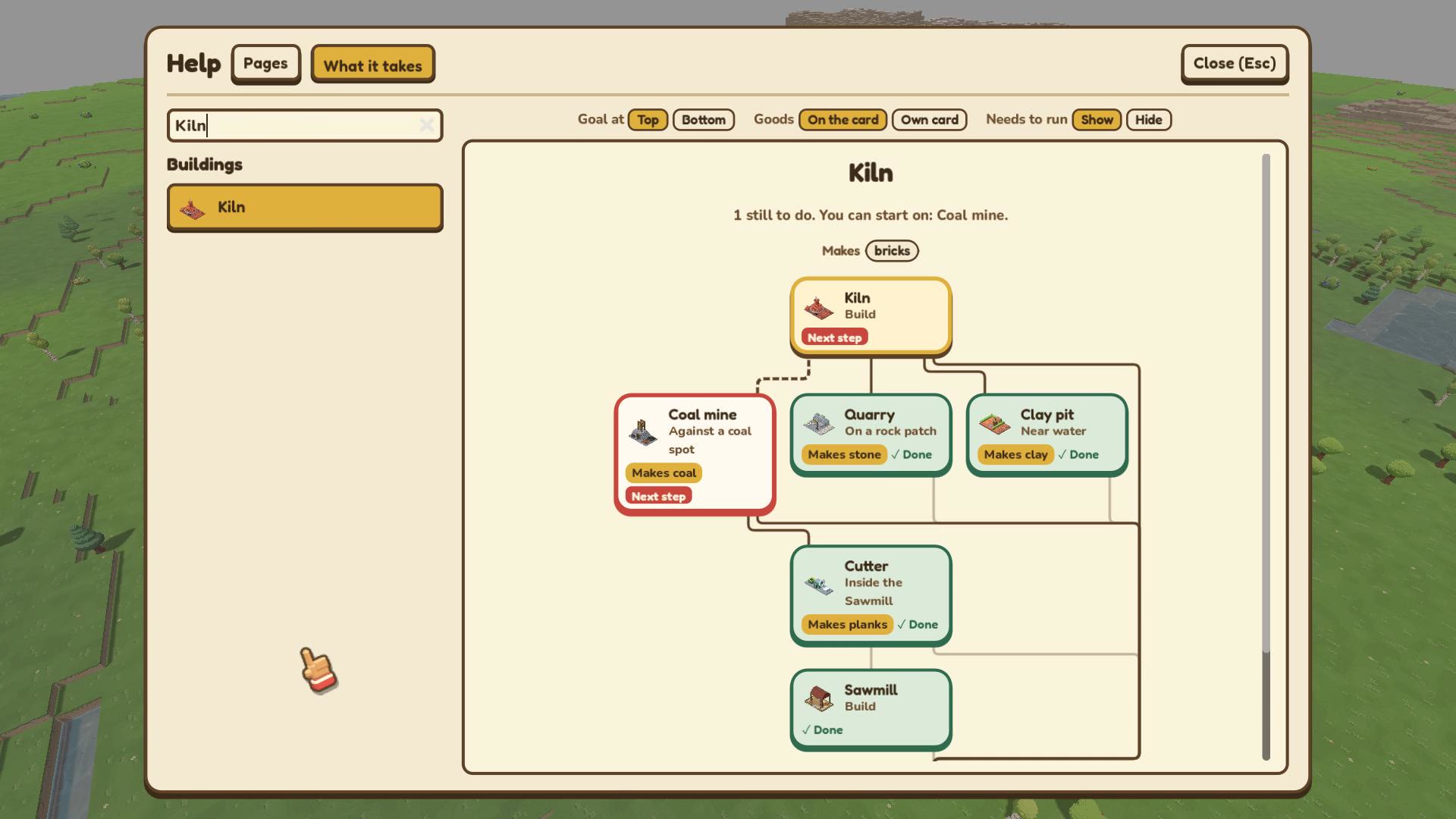
What it takes
I could not tell when the kiln opens in my own game, so the help now draws everything that comes before a building, line by line.
-
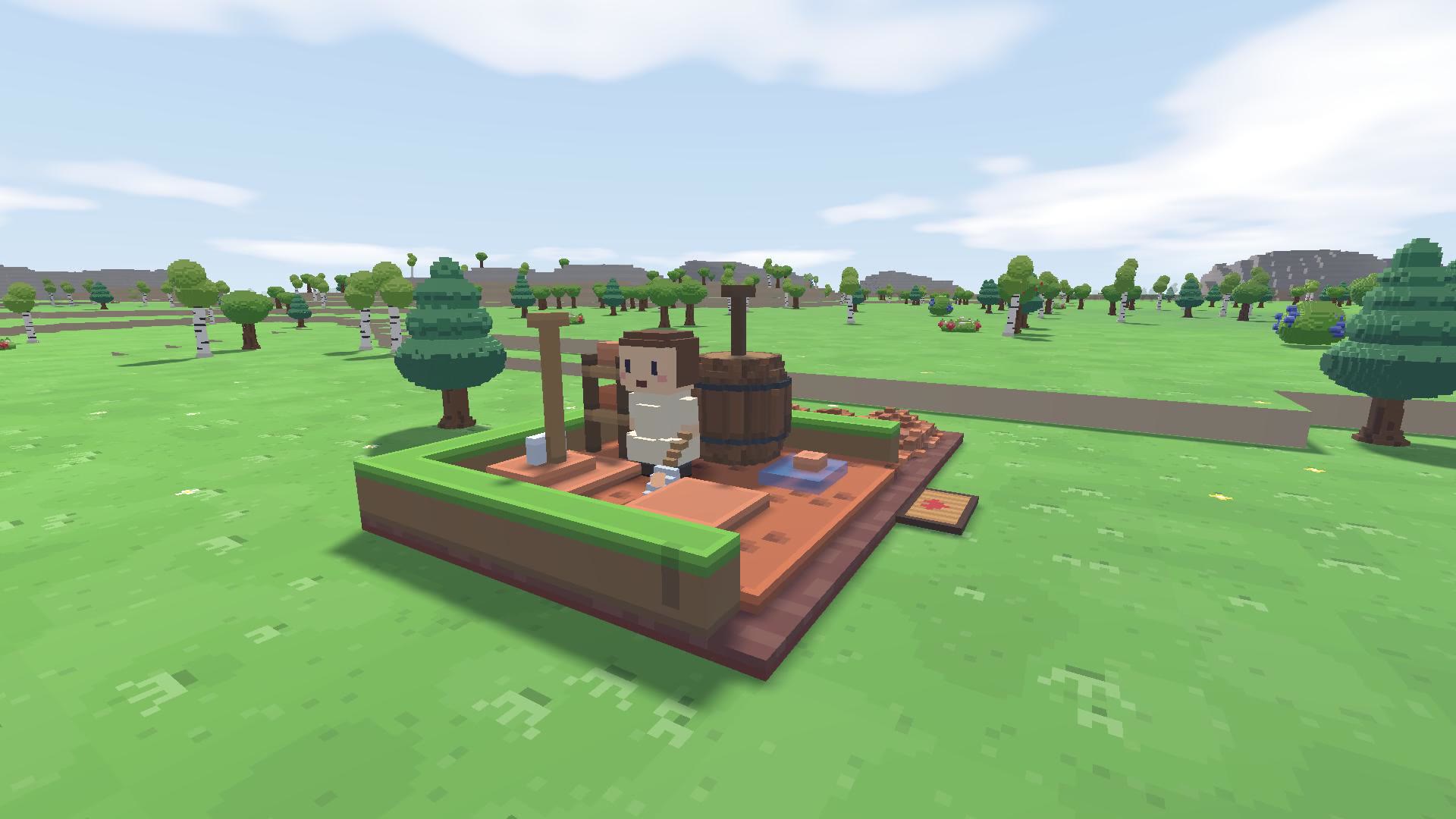
Clay by the water
Flora Green picks up a shovel, the clay pit moves near the water, and the map stops sending a town 100 tiles away for it.
-
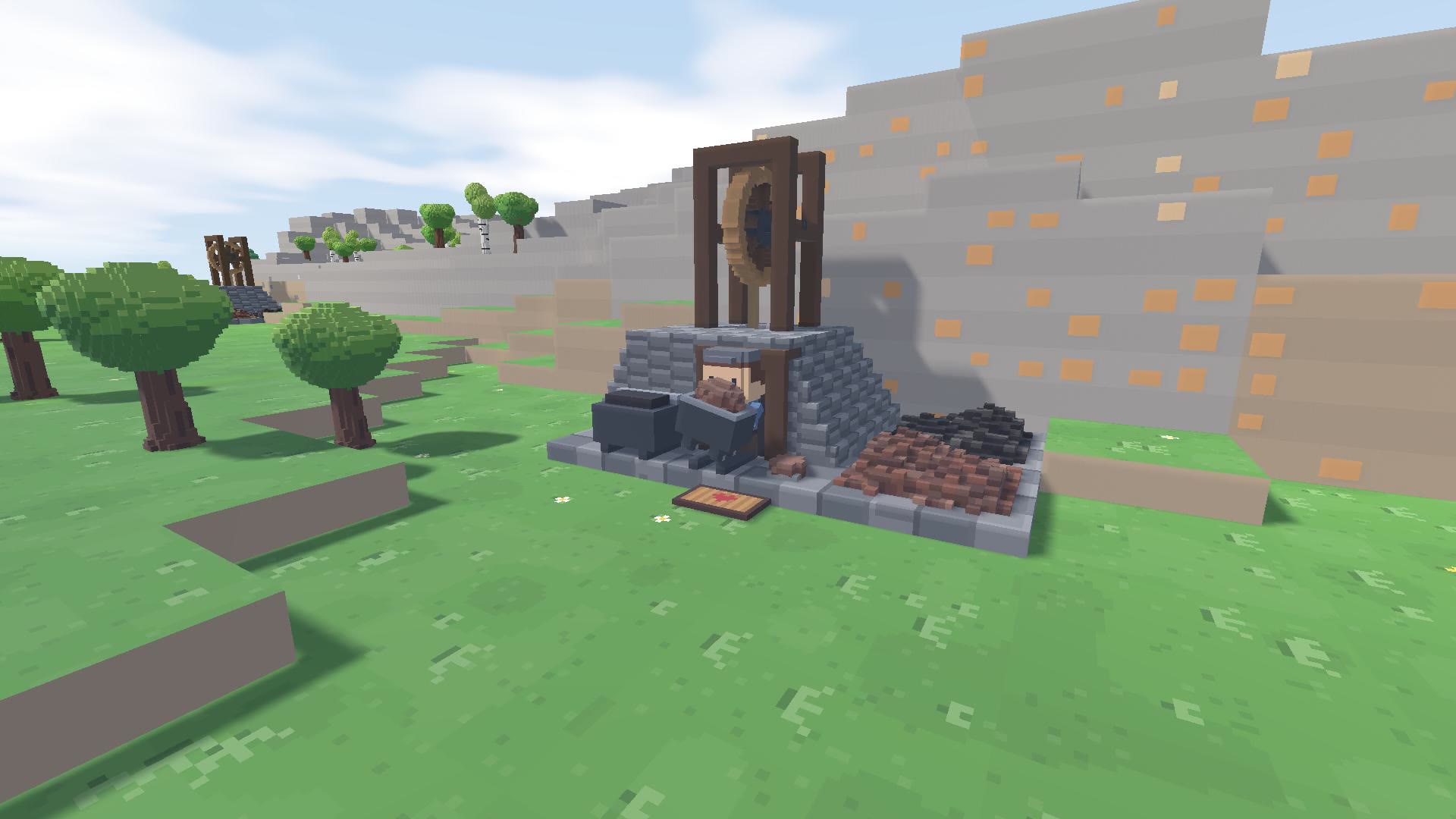
The cart that never came
Edmund Lawrence and Olive Barnes mine iron and coal on the mountain, and duck out under a low door with a cart, once the cart finally agreed to exist.
-
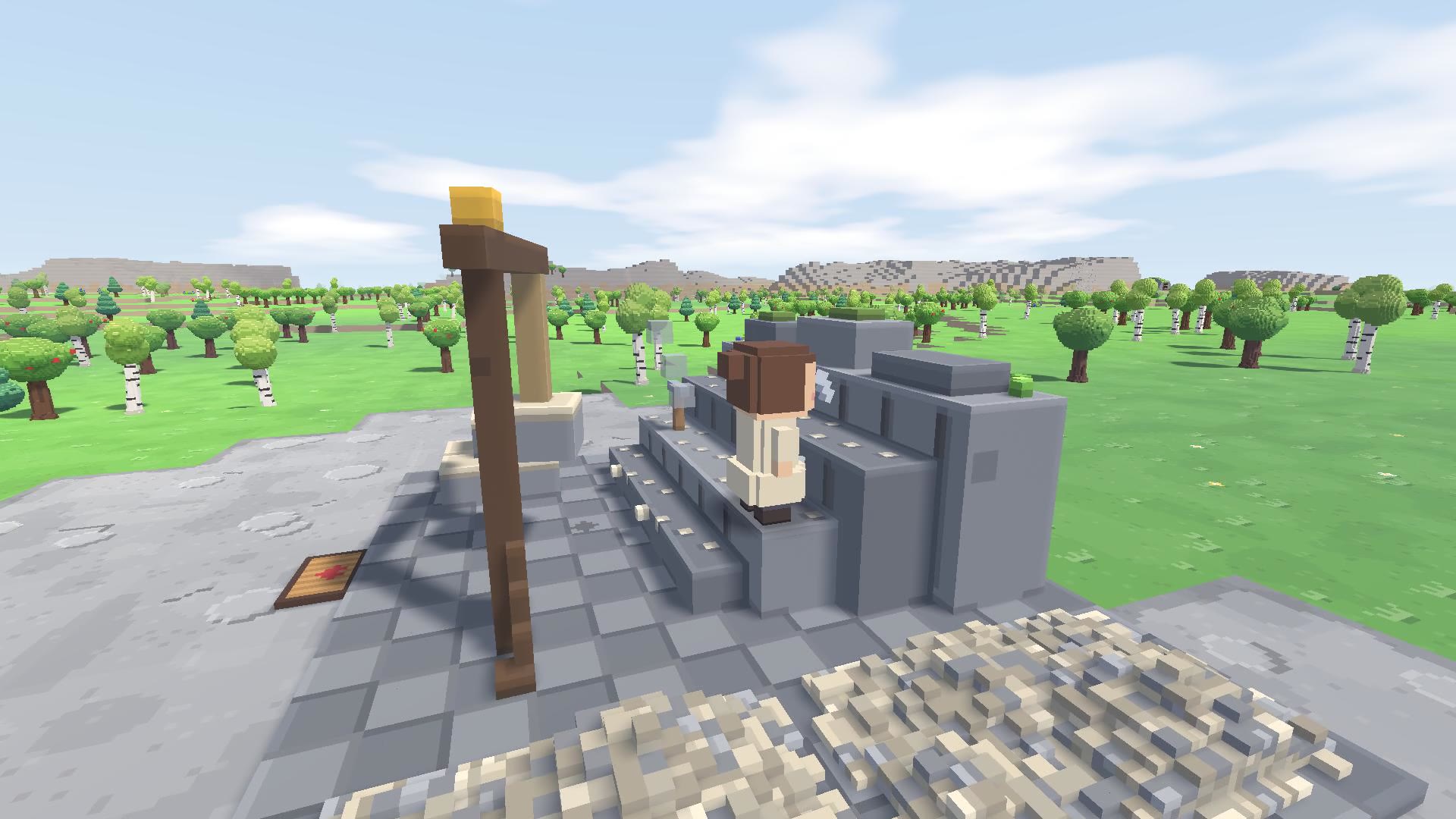
A pit has no door
Flora Green digs where you can see her: a quarry that only stands on rock, a pickaxe, flying chips, and a rope that would not stay on its crane.
-
Out of the doorway
People stop wobbling left and right on their walk, office workers go inside instead of blocking the door, and the game gets a page to thank the people whose work is in it.
-
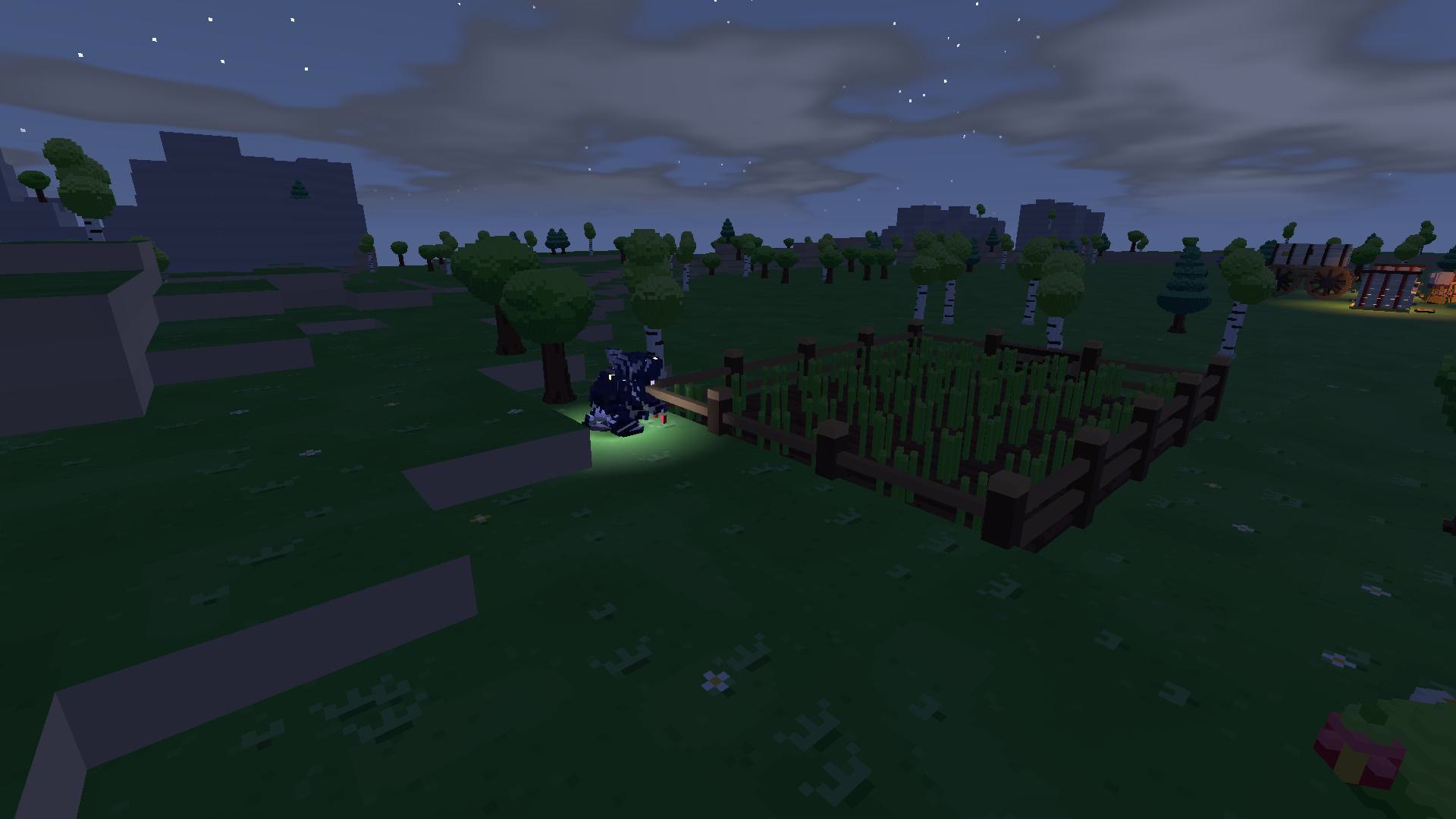
Through the fence
Glimmers no longer hop into fenced fields: they claw at the fence until a piece breaks, and in the morning a builder mends the gap.
-
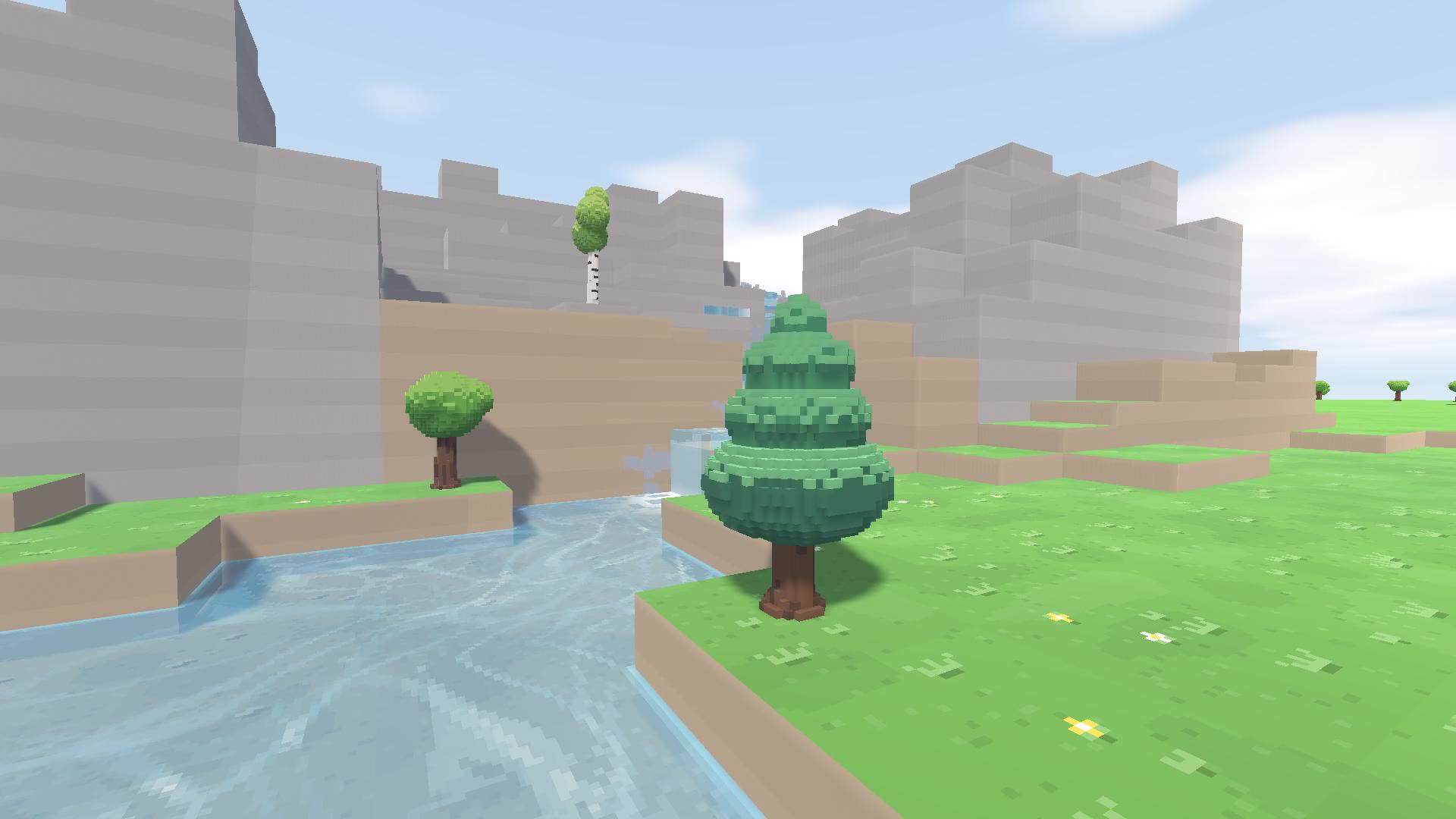
Water that moves
Lakes lie flat, rivers come in from the edge and run downhill, falls come off the mountains, and the water you look at is see-through and moving.
-
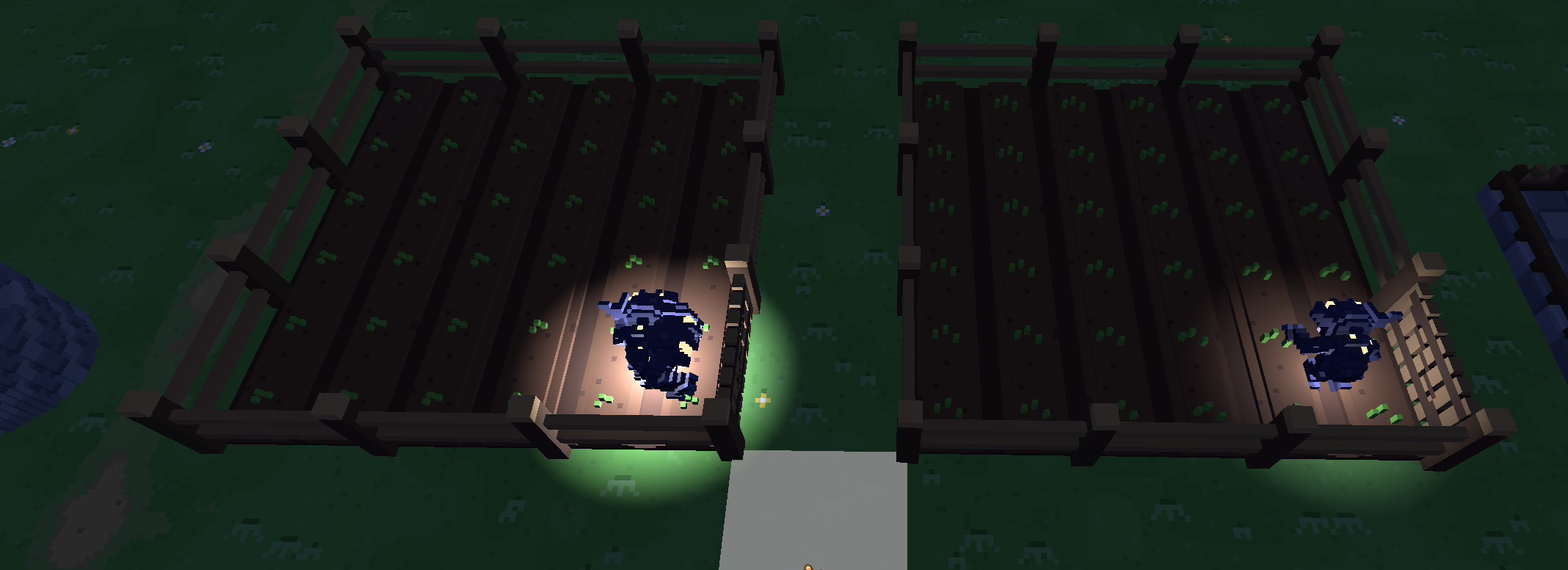
Coalstead, nine times over
A day of making the game fast on a town nine times the size, with clouds, a darker night, a loading screen and haulers that stop changing their minds.
-
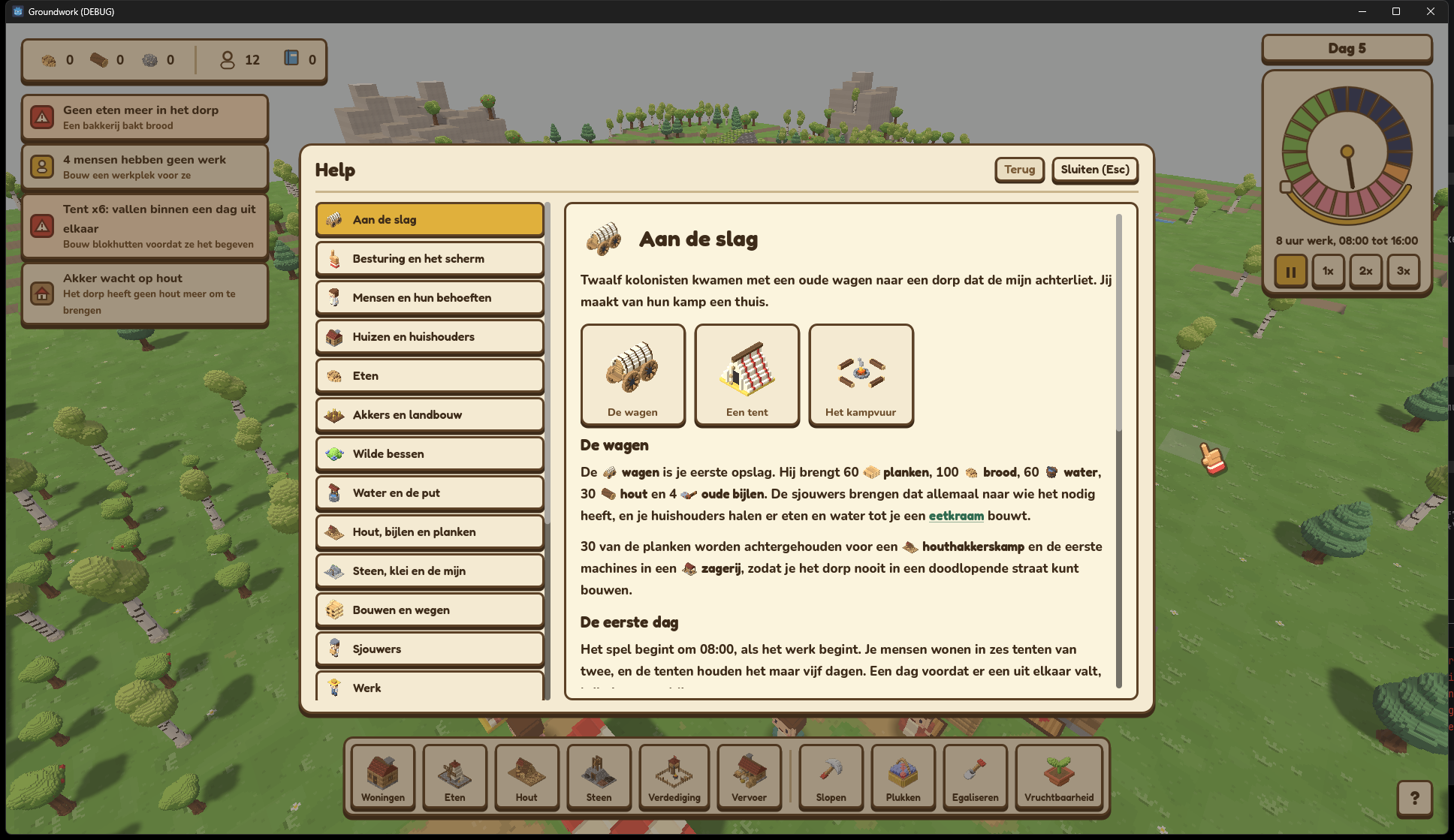
Twelve settlers, three languages
The whole game now speaks English, Dutch and Greek, with its own help, its own names and its own jokes in each.
-
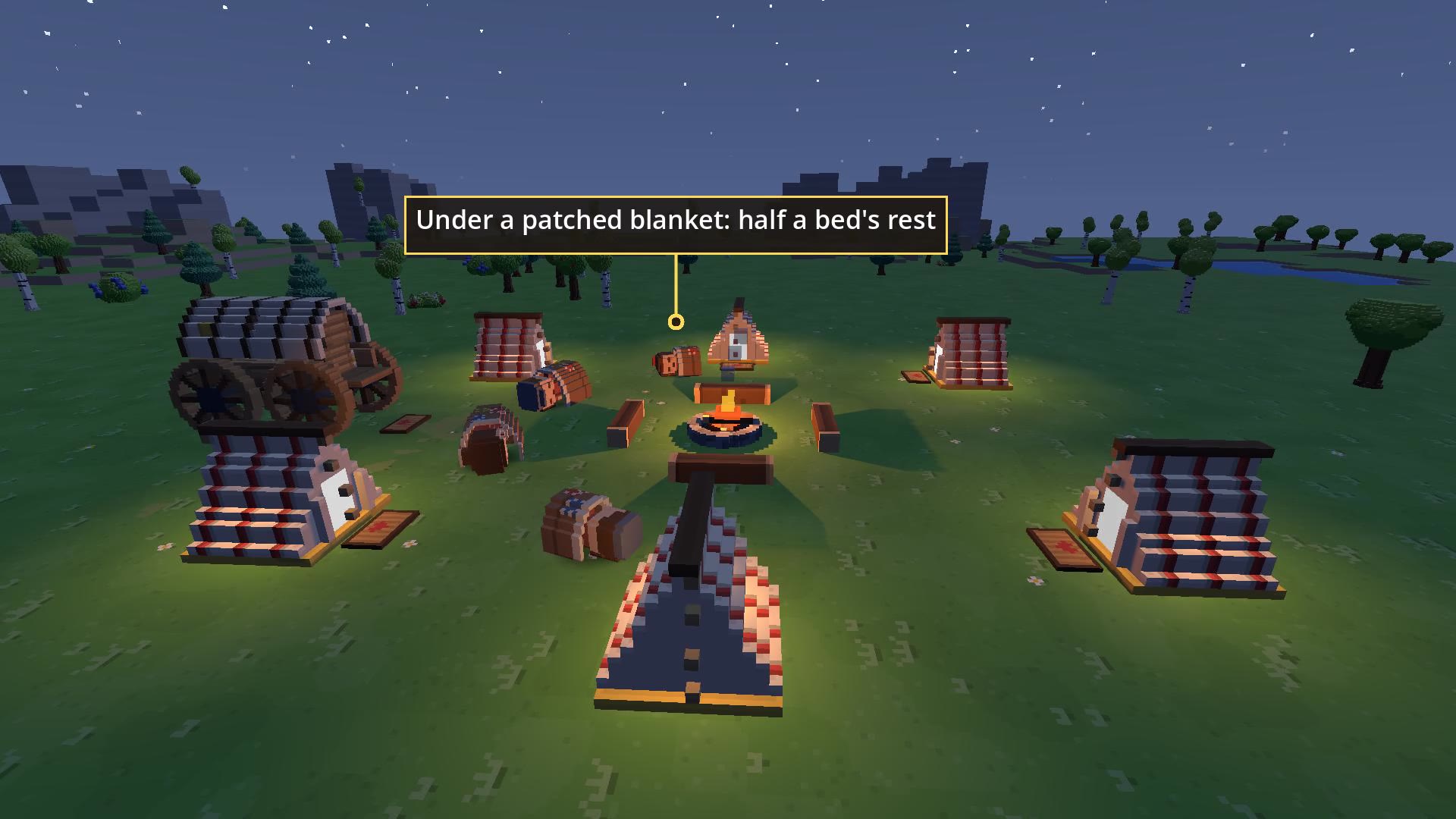
A bed by the fire
People without a home now sleep round the campfire under a patched blanket, storage upgrades fit inside the building, and the well got small.
-
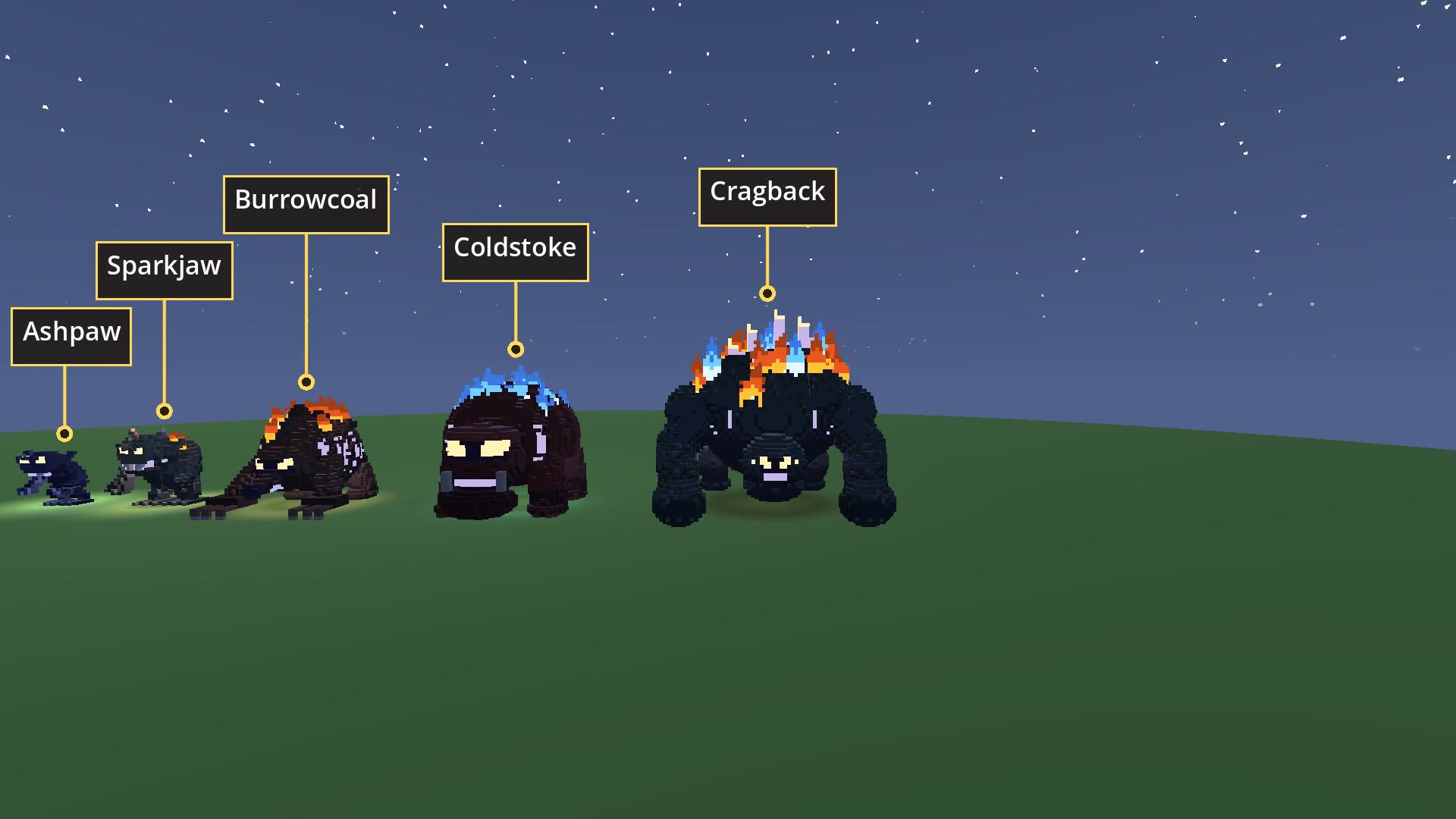
The Cinderkin come out at night
The night critters get a new look and a real name: five kinds, from the small Ashpaw to the Cragback, a boss two and a half times as tall as a villager.
-
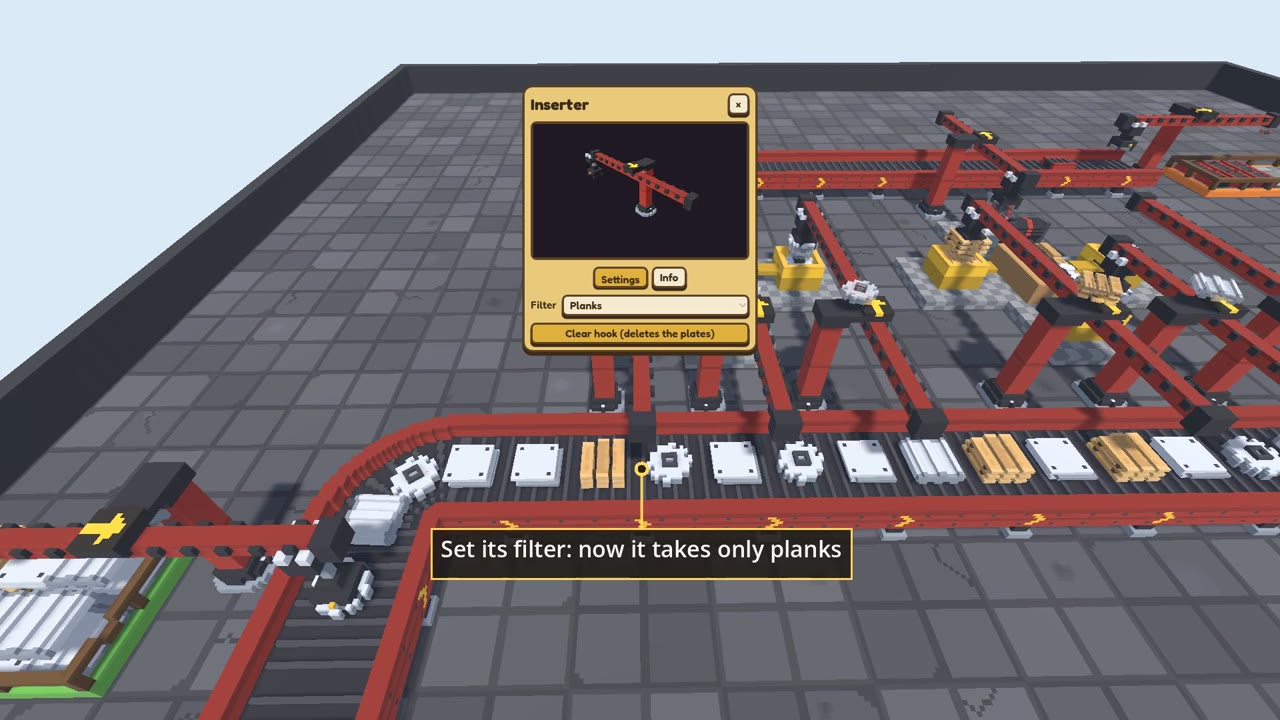
One belt, four kinds of goods
Factory lines may mix, one pile holds every kind its line needs, inserters get a filter and a Clear hook, and floating pictures show what goes where.
-
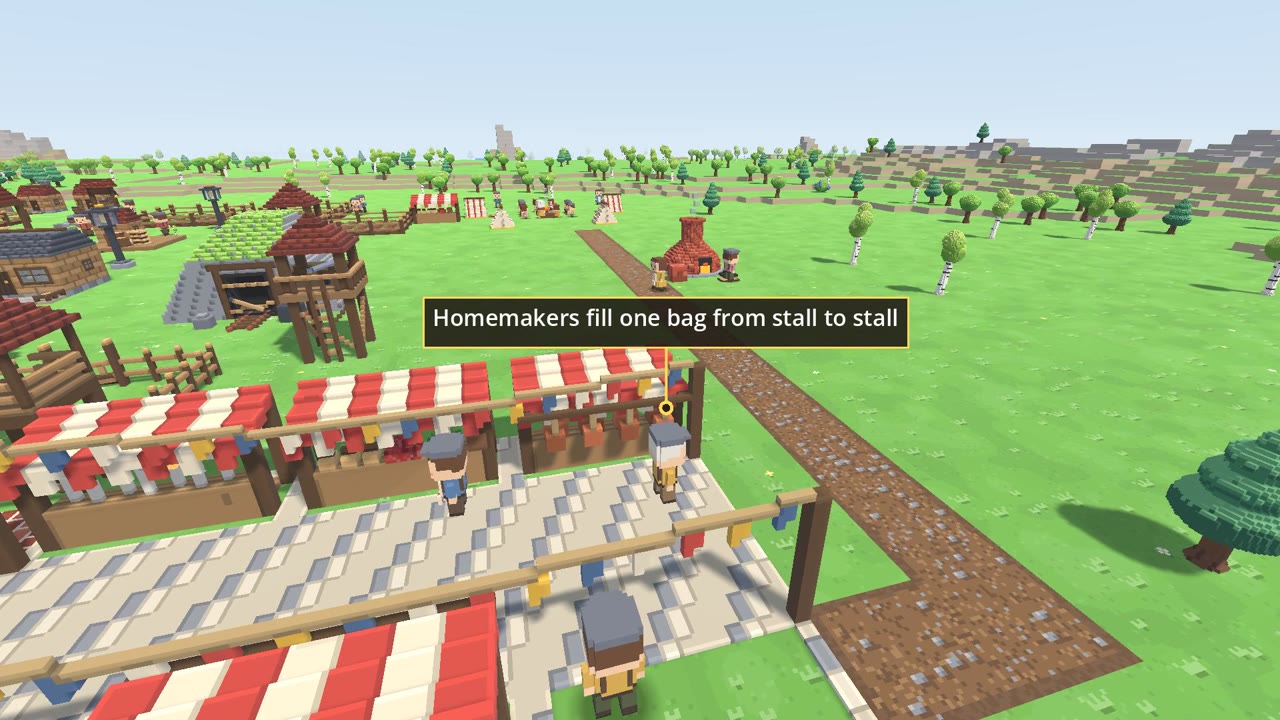
Built onto
Addons: market stalls ordered from the square's own card and raised on its bays, and a storage shed that grows against a factory wall.
-
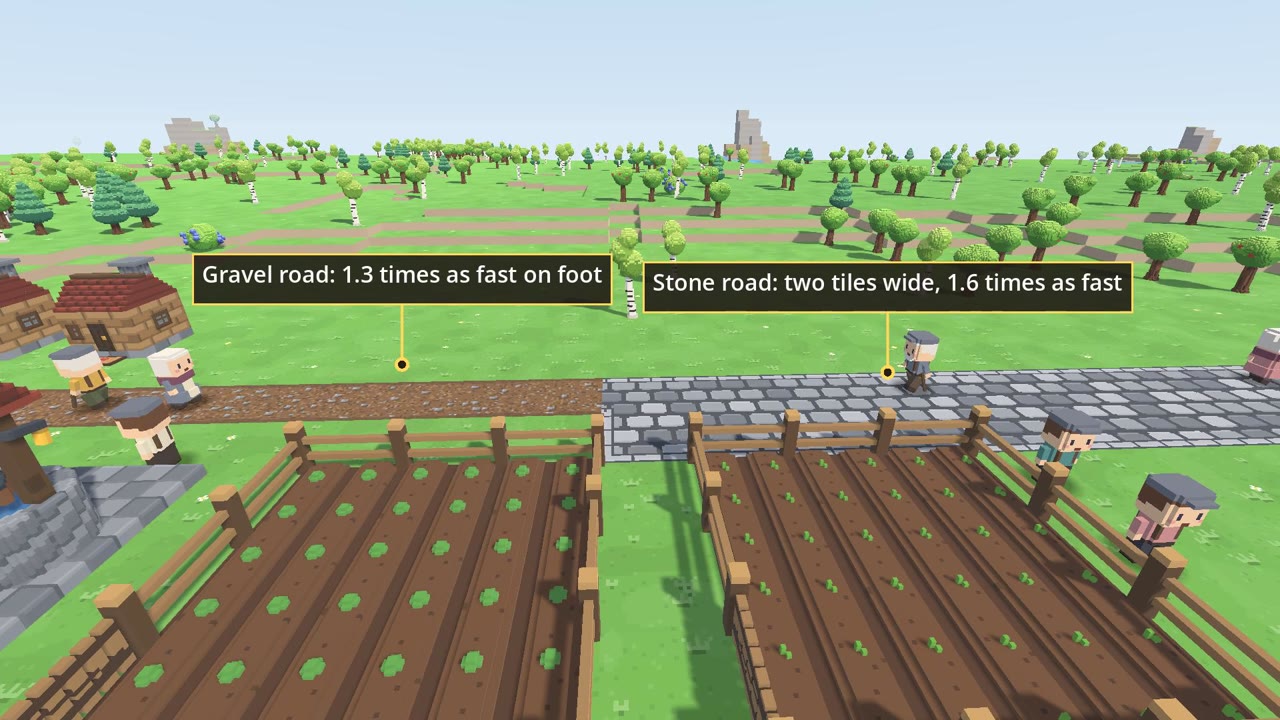
From footpath to brick
Every kind of road in one go: the paths feet wear into the grass, gravel, stone and brick, and ground drawn at the same size as everything else.
-
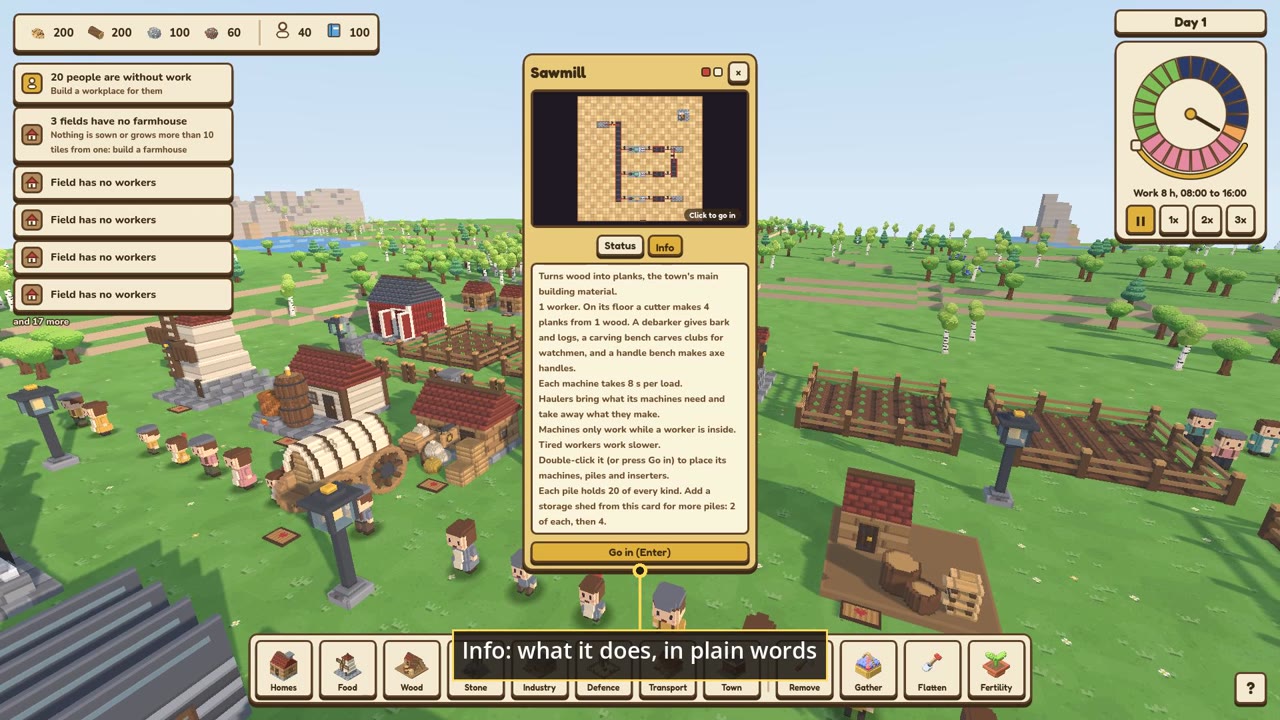
The rules pile up
Two loggers a camp and axes that wear, a mark on everything you can eat, an Info tab on every card and an illustrated help screen.
-
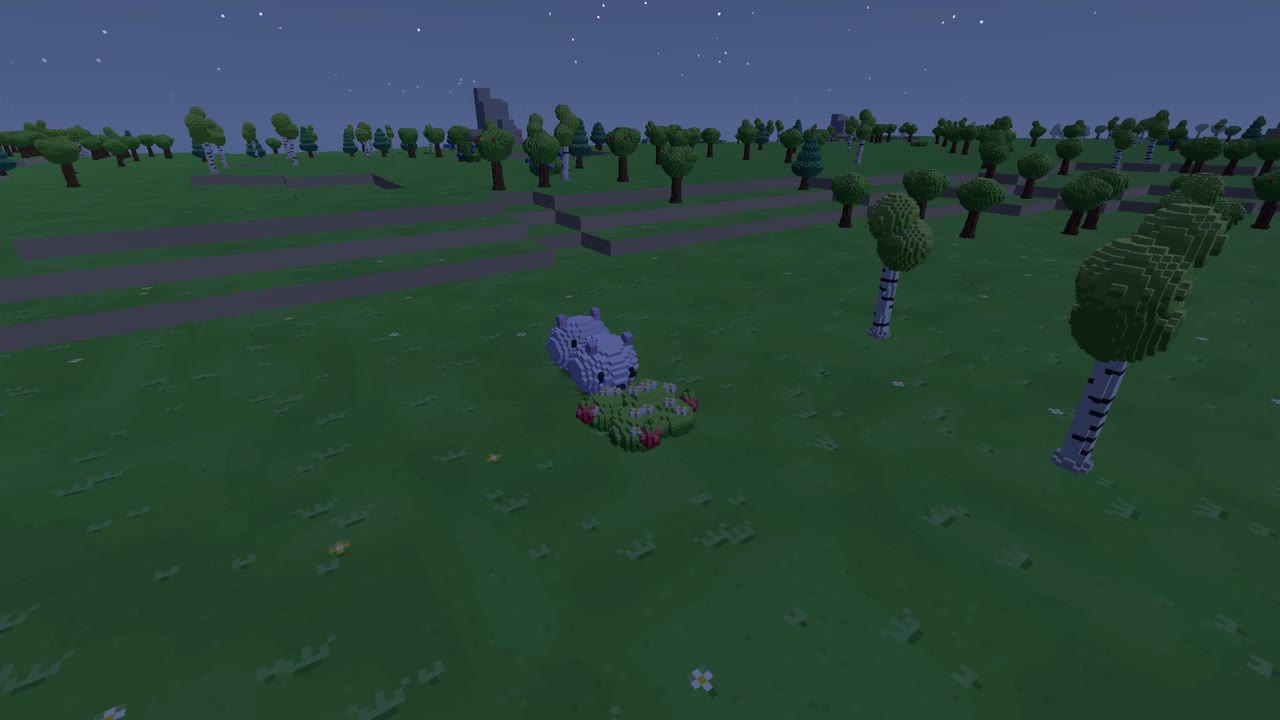
Berries in the wild
Wild blueberry bushes and strawberry patches to gather, glimmers that come to eat them, the town pool gone, and clubs that break.
-
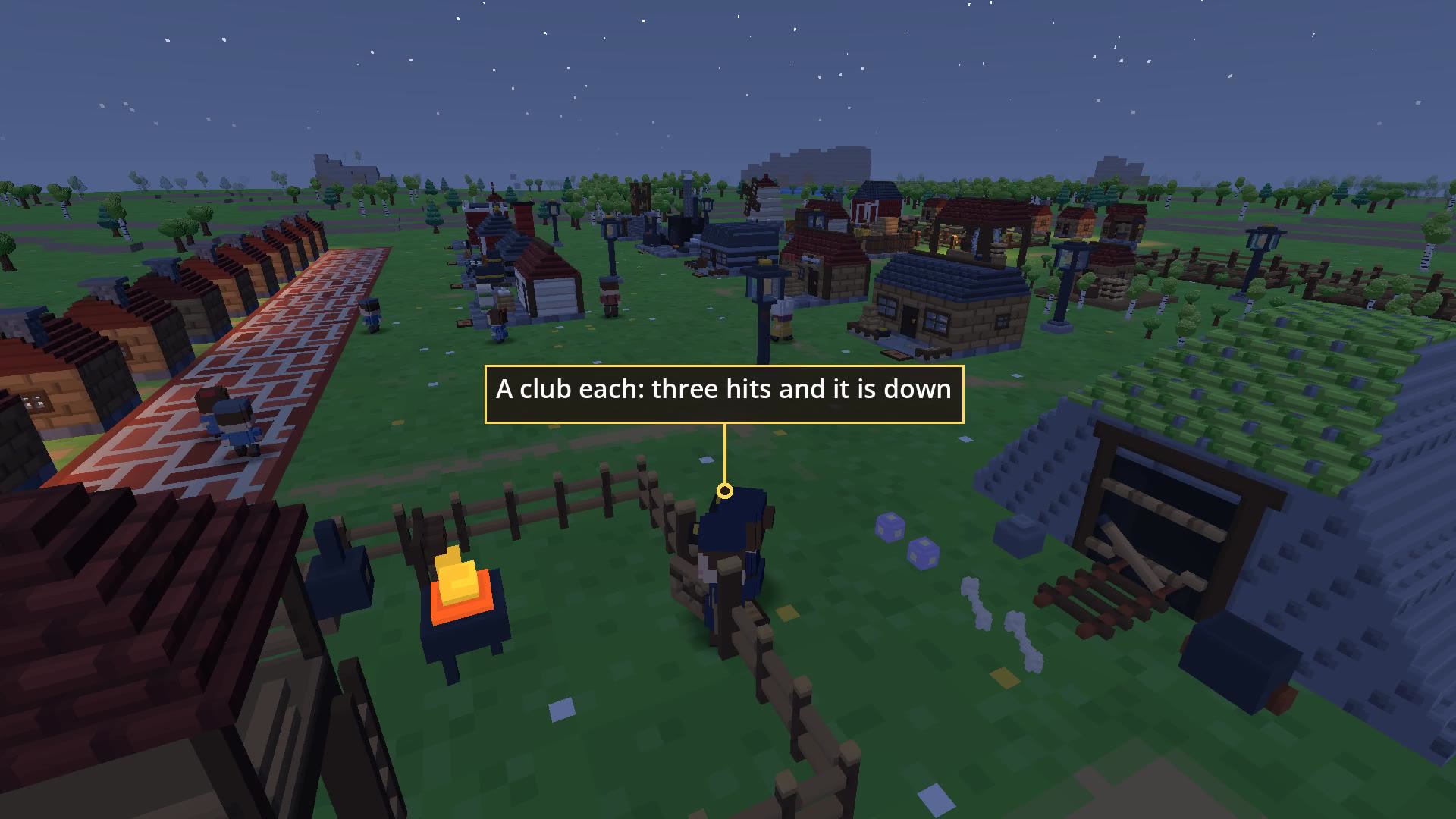
The night watch
A guard post with two watchmen who club glimmers at night, quiet nights that skip, evening walks that are real walks, and nobody takes their work home anymore.
-
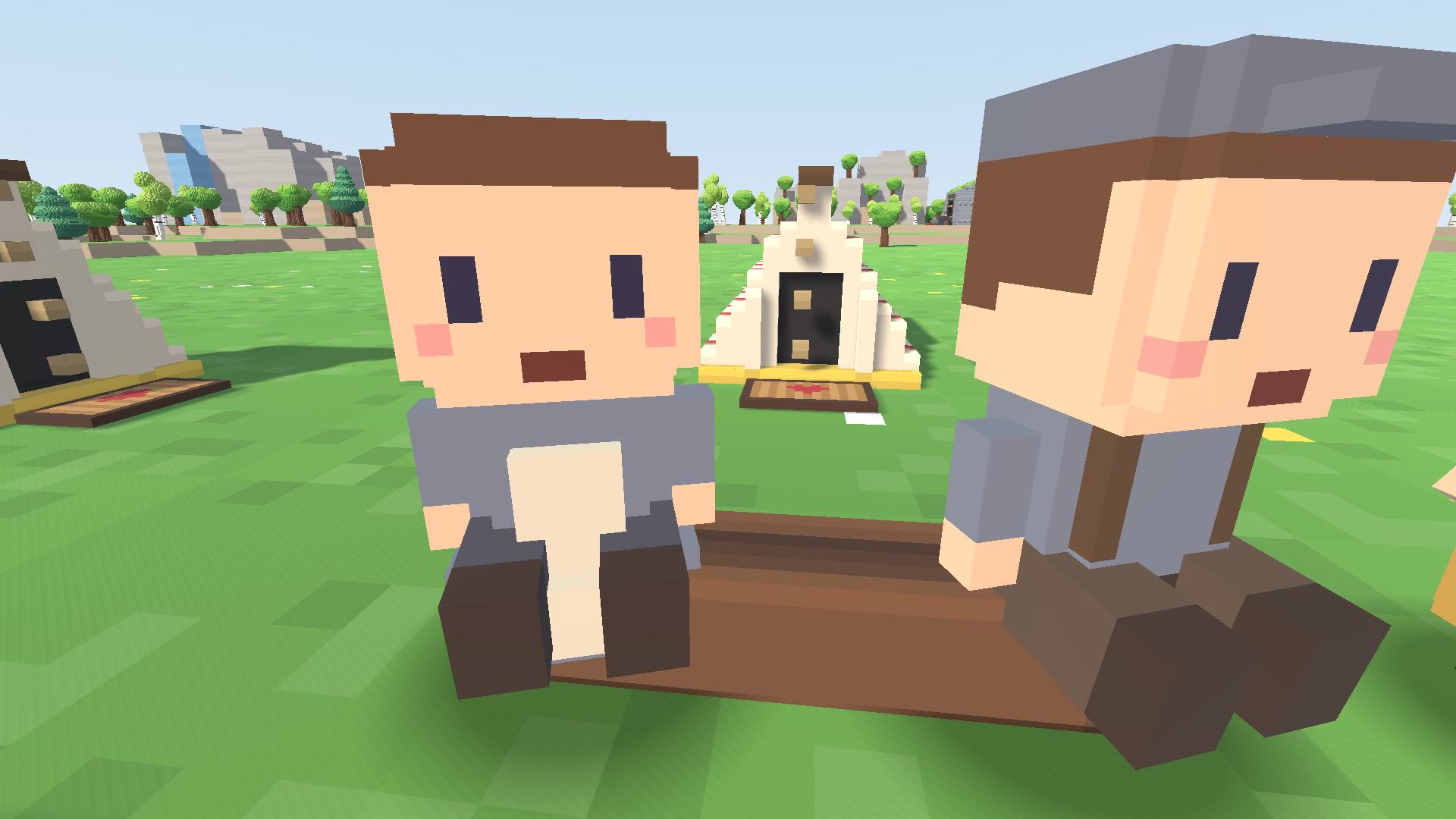
Faces and voices
People nod while they listen and open their mouths to talk in cartoon gibberish, the game starts on a sky-blue screen, and a woman hammers the start menu together.
-
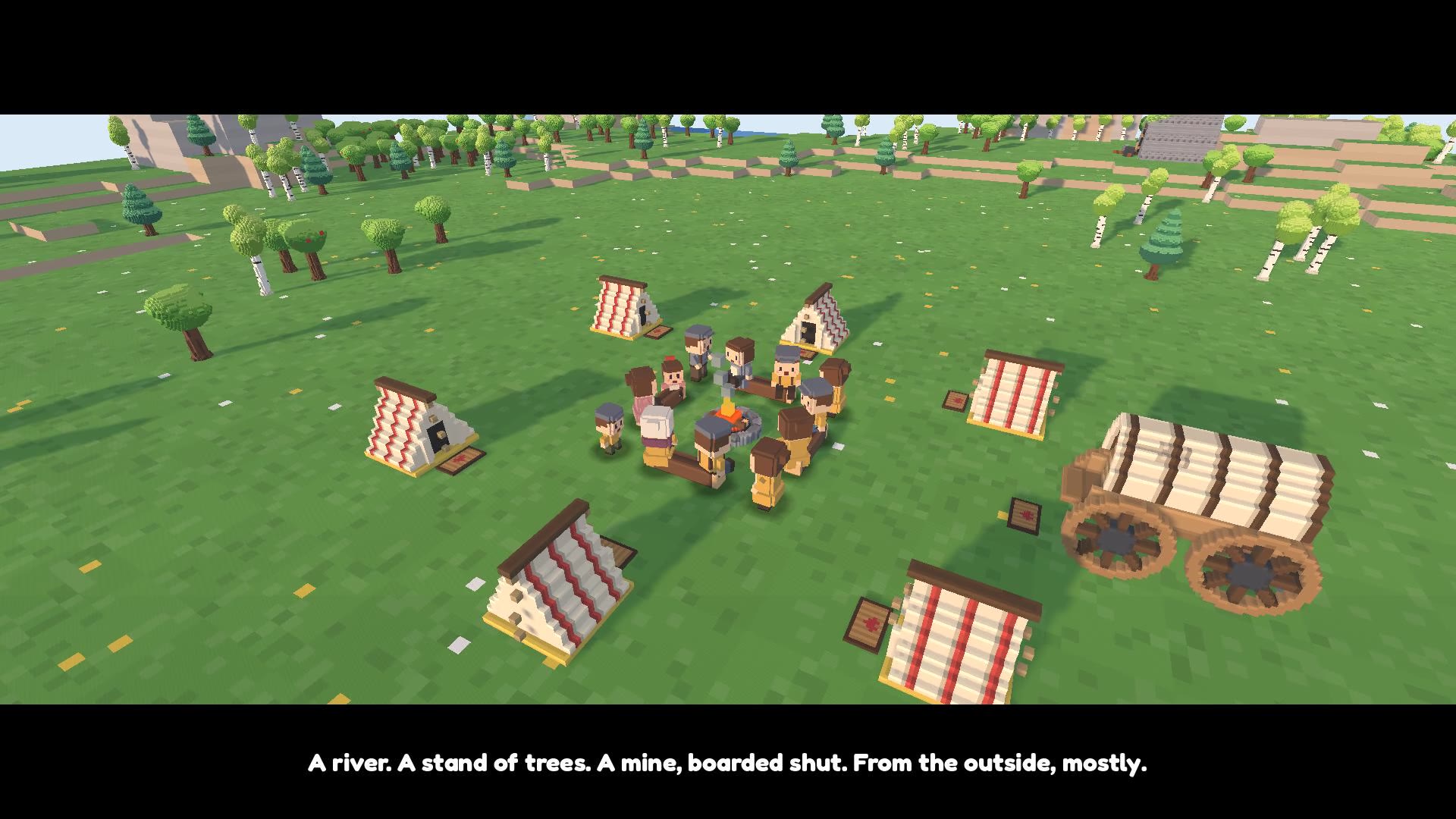
They came on purpose
A new game now opens with an intro: an old ox pulls the wagon in at dawn, the story plays in film bars, and the settlers raise their camp and sit down by the fire.
-
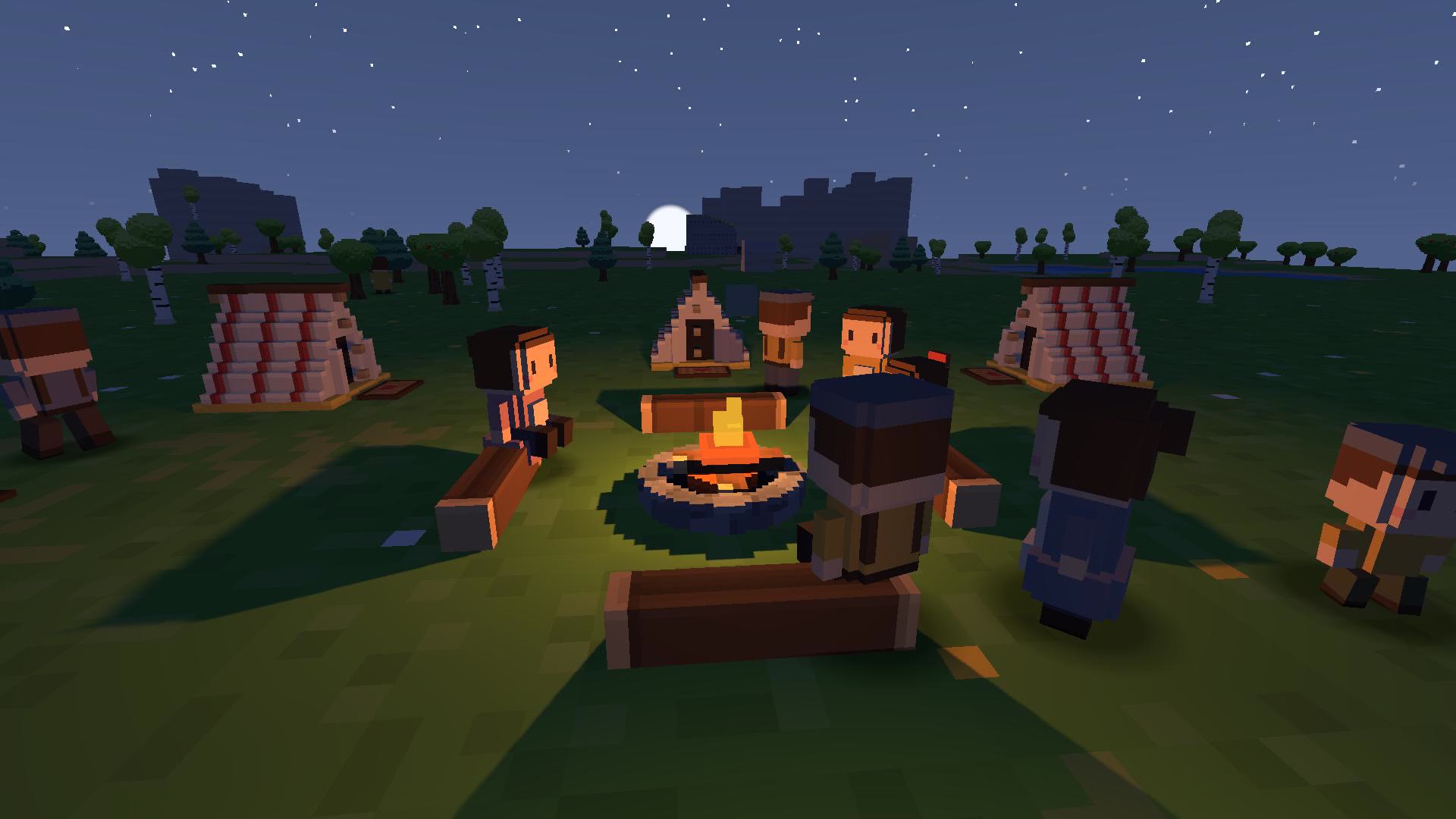
A day of fixes, ending by the fire
Bug fixes, a speed pass from 948 ms down to 13 ms, one shared route queue, and an evening round the campfire on logs to sit on.
-
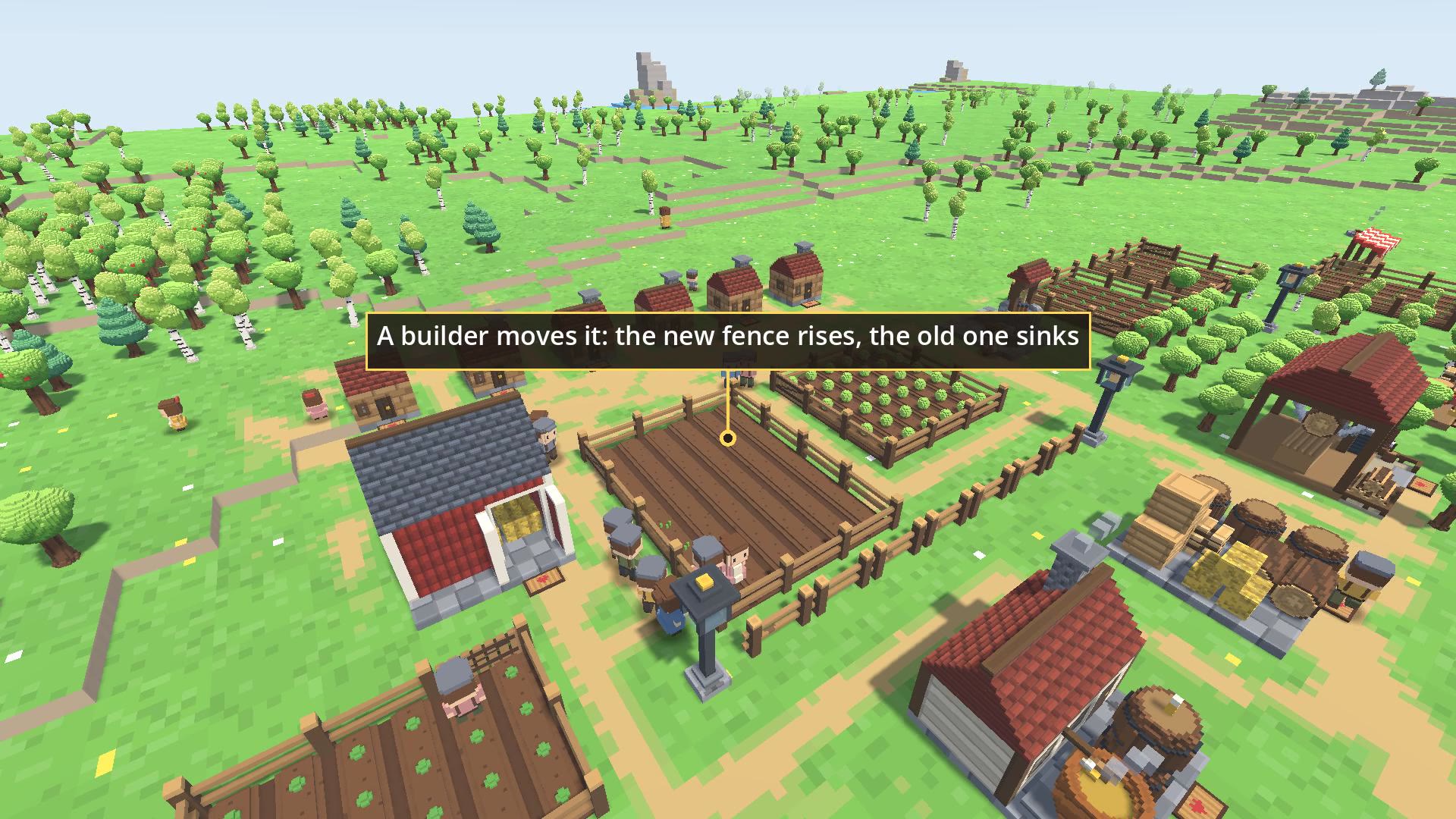
The fence is the field
Fields are now dragged out as rectangles with a fence round them, resized by moving the fence, and they need a farmhouse close by.
-
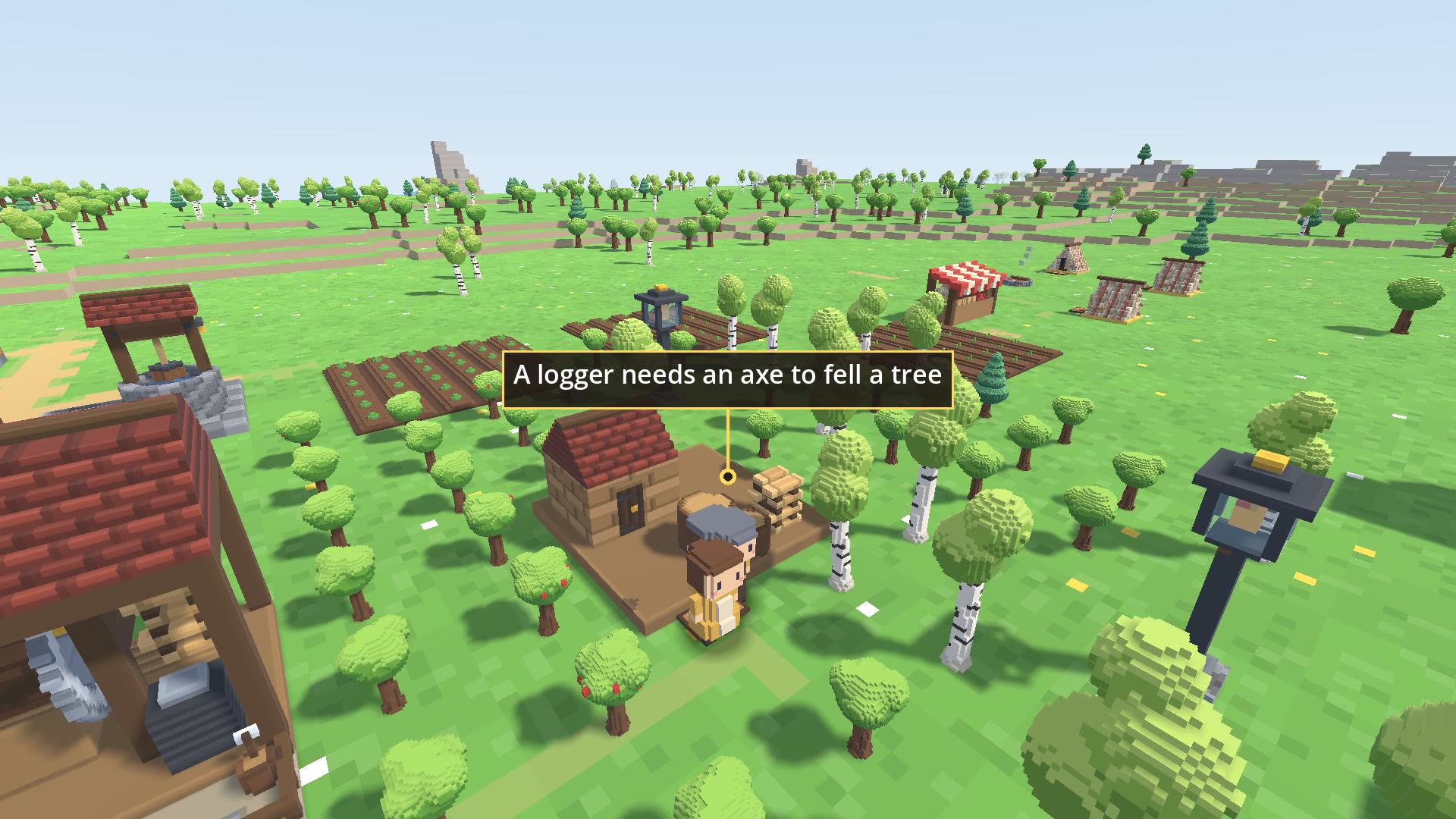
No axe, no tree
Loggers now need an axe from the camp rack, the start camp grew to twelve settlers, and haulers deliver to whoever is short.
-
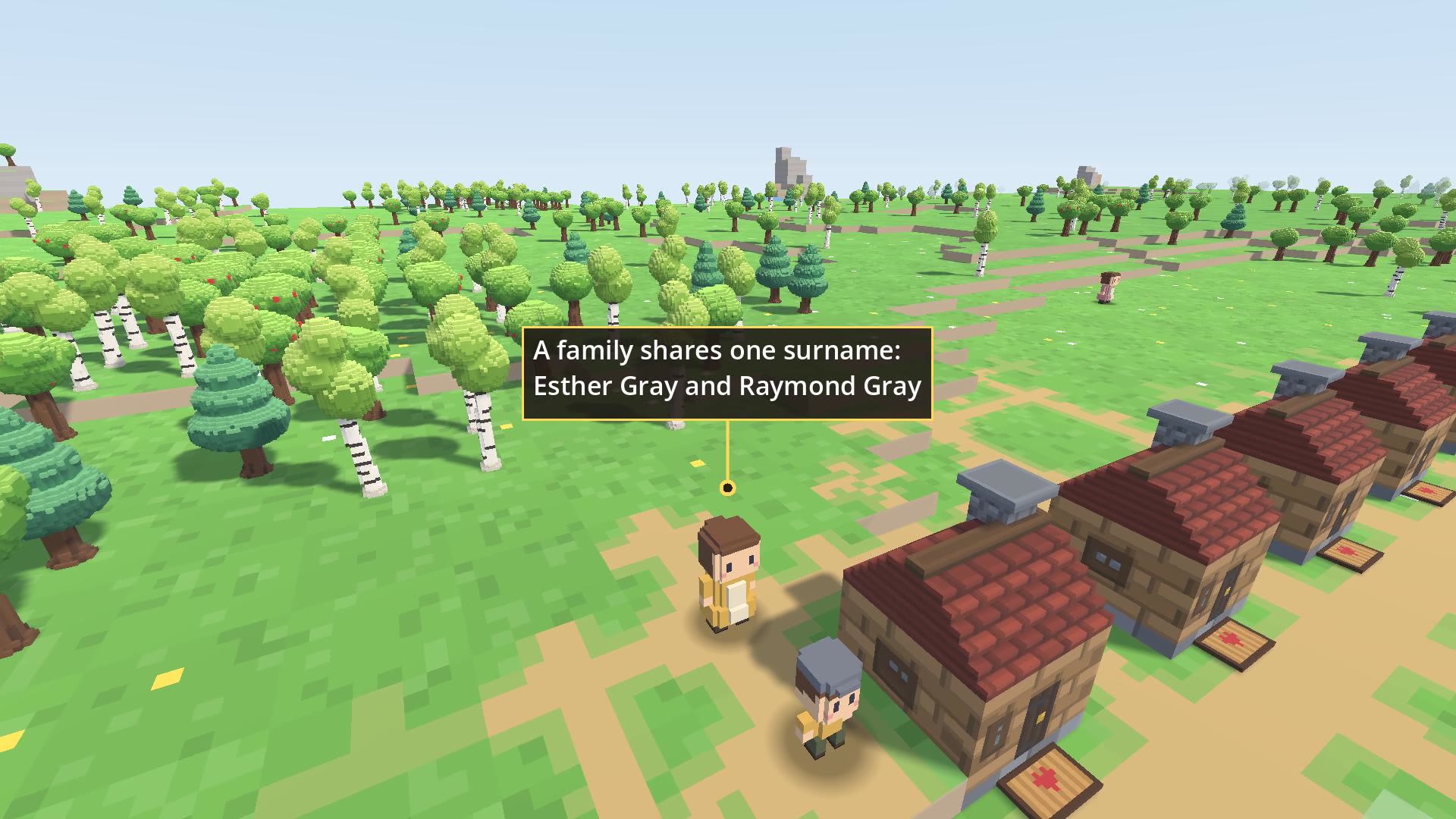
Dinner comes from the pantry
People eat and drink from their own pantry, homemakers go shopping with a bag, and families share a surname.
-
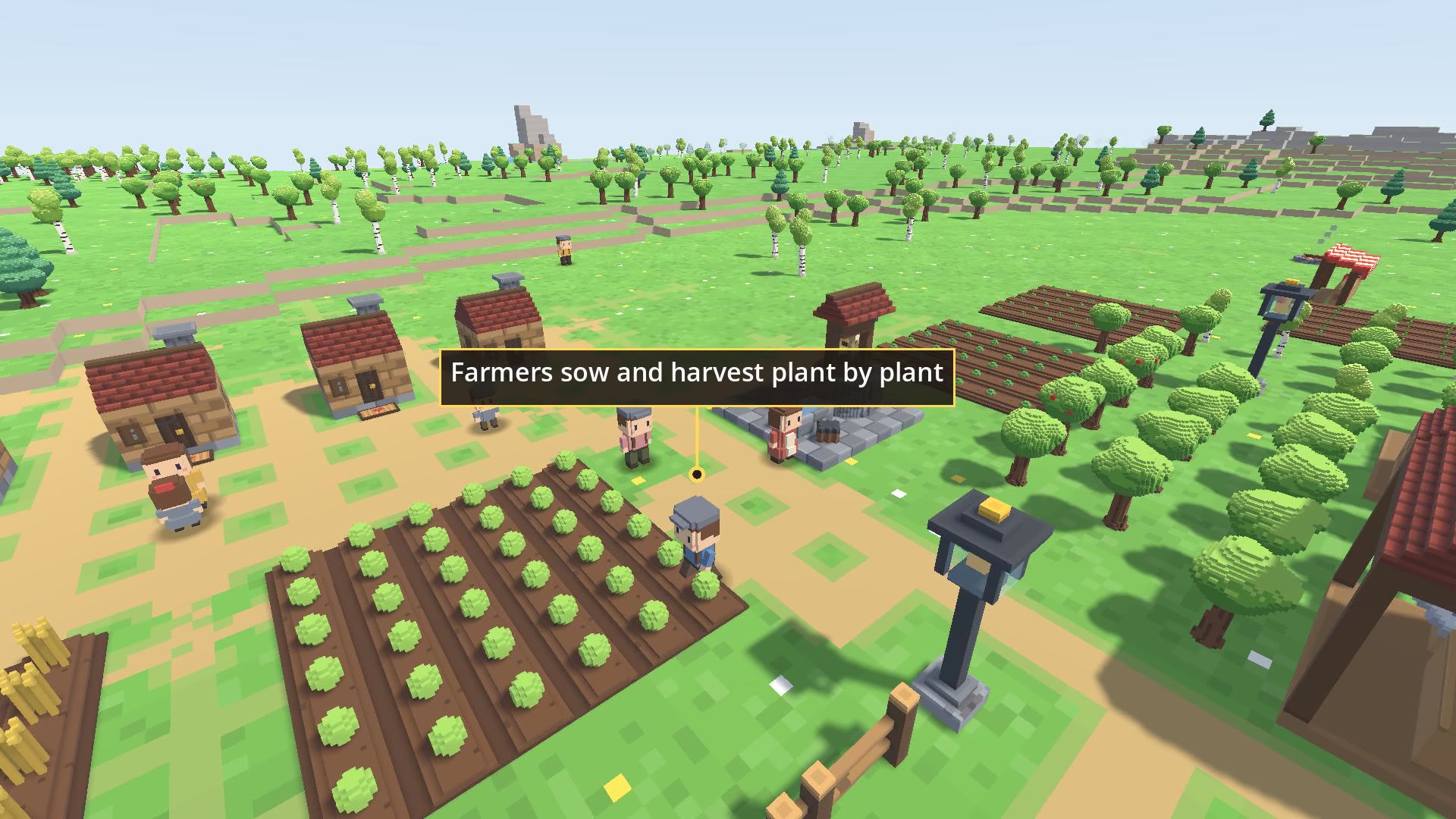
Five crops and one farmer
Fields now grow wheat, carrots, onions, cabbage or potatoes, and farmers sow and harvest them plant by plant.
-
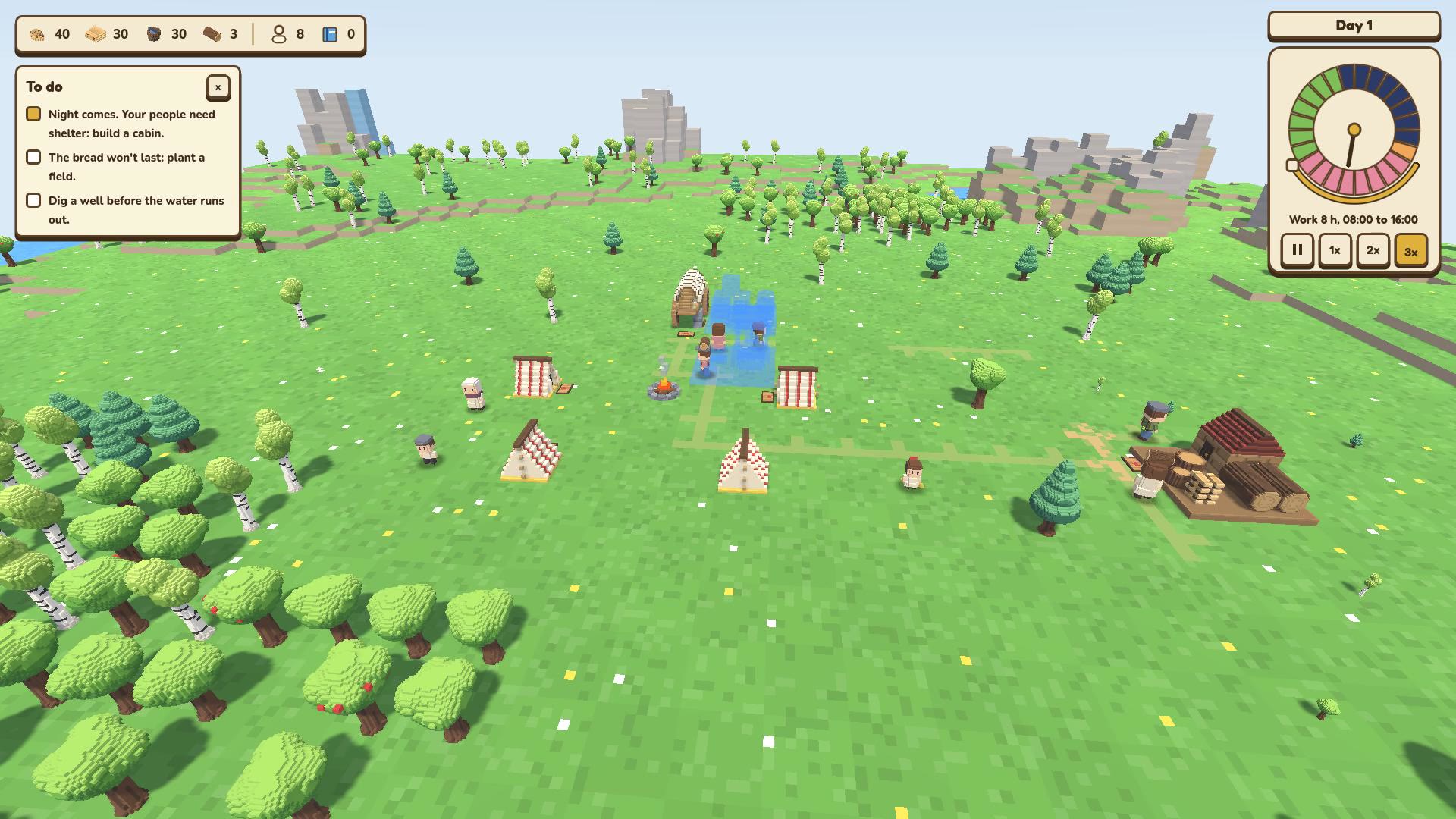
Nothing is free any more
Buildings cost planks and wood, haulers carry them to the site, and builders hammer while it rises out of its blueprint.
-
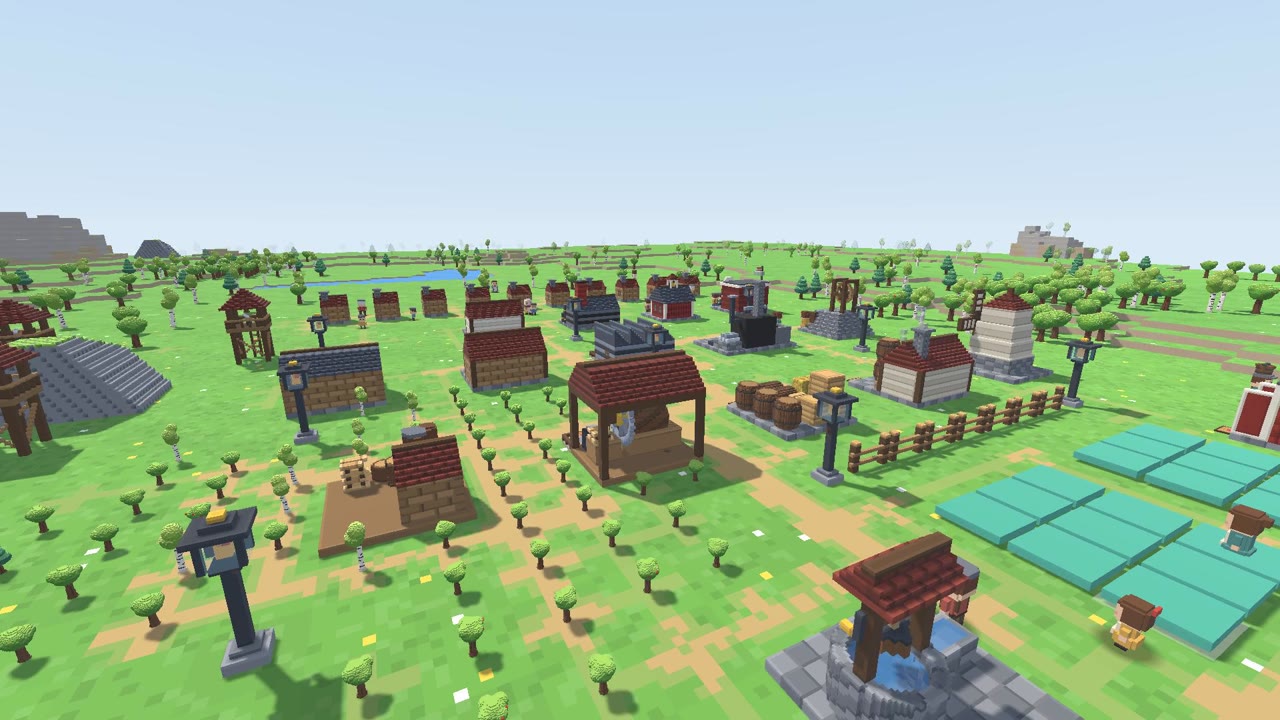
Paths where people walk
The ground turns to flat pixel grass, sandy paths wear in where people actually walk, and people get a soft shadow under their feet.
-
A place to rest
Idle people stroll, nobody walks through anybody any more, the town gets a graveyard, and a long talk about what comes next.
-
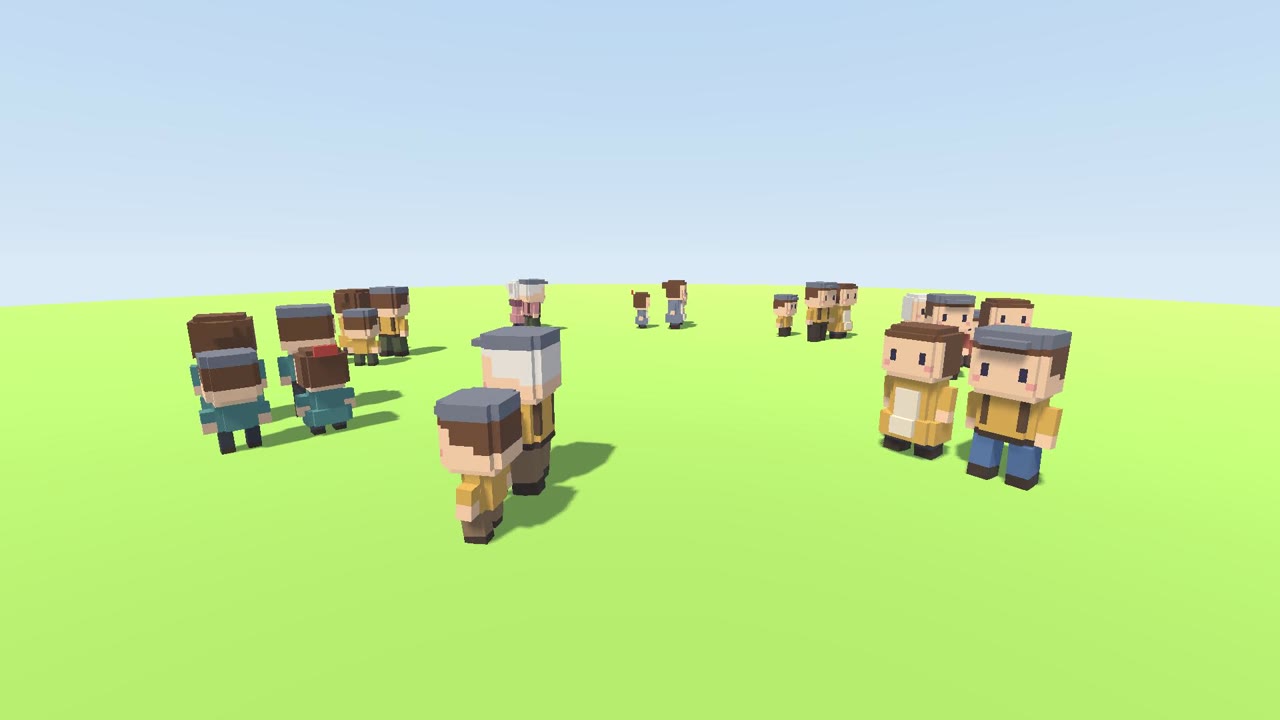
People at last
The capsules are gone: men and women, kids and grandparents, each family in its own colours, and a day in Cinderdeep is now a year of their lives.
-
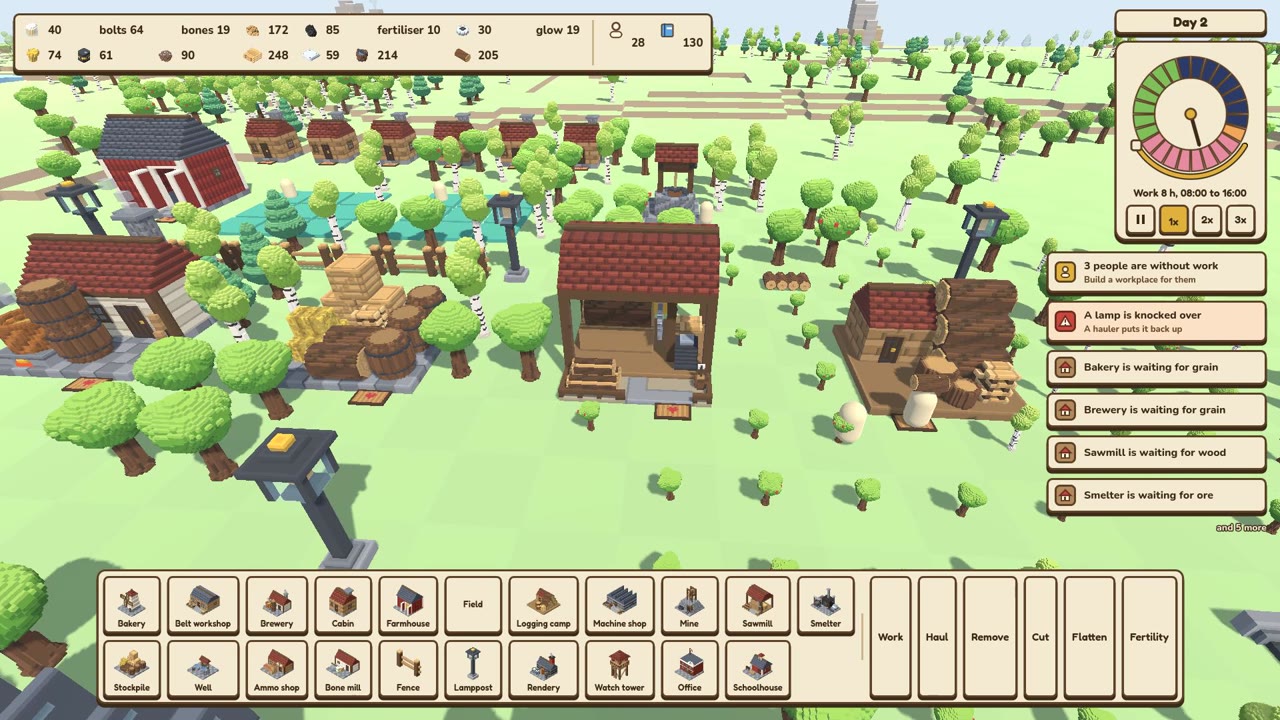
A HUD made of blocks
Five clocks in a week, each fine alone and odd on the screen. So I designed the whole HUD in one go: soft cream blocks, a ring clock, alerts as tags and cards for buildings and people.
-
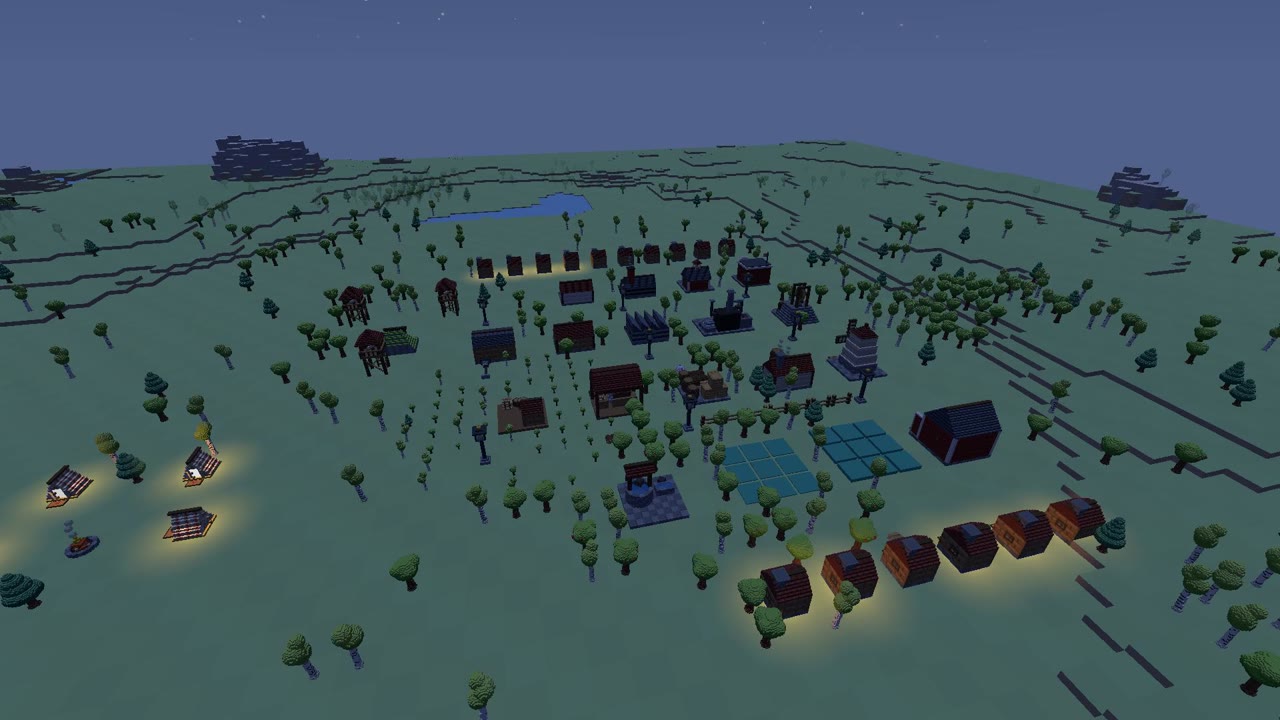
Dusk to dawn
The night used to be a dimmer switch. Now people sleep inside, windows glow, glimmers come out of the old shaft, and the towers by it finally have a job.
-
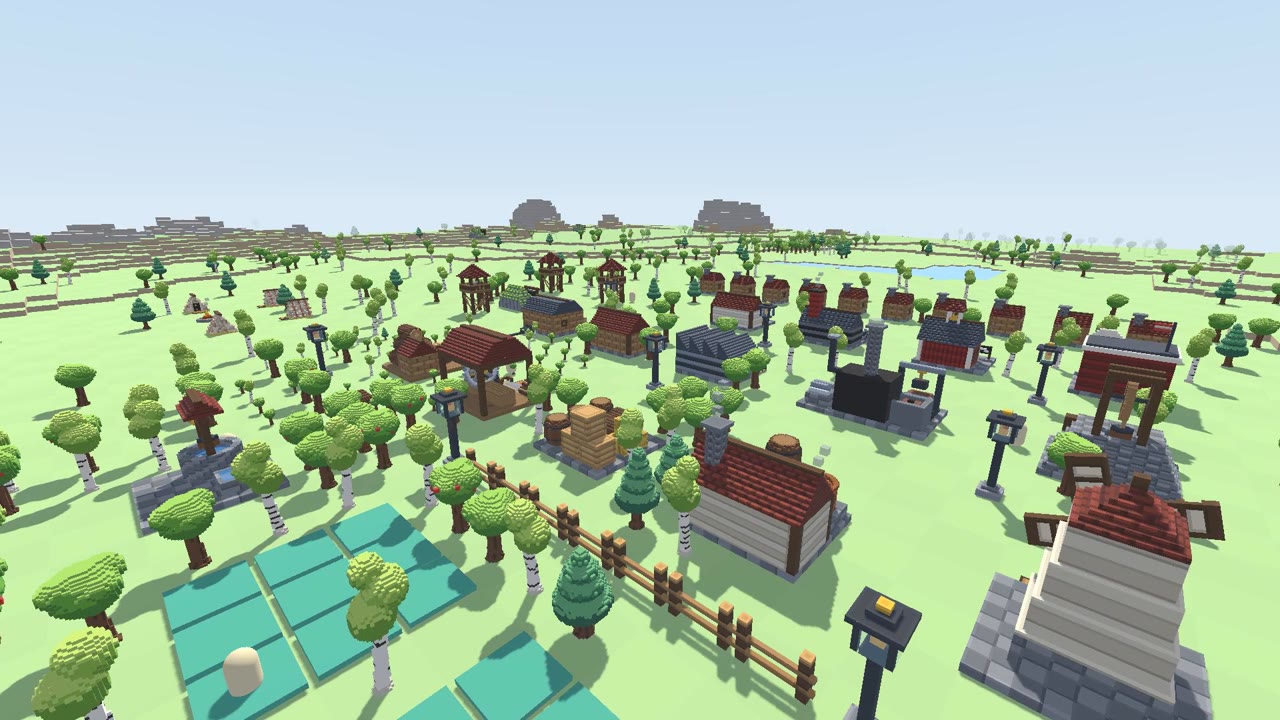
The whole town from above
I wanted videos of the whole game and had neither the town nor a steady hand. So I wrote a showcase map, and the game films itself.
-
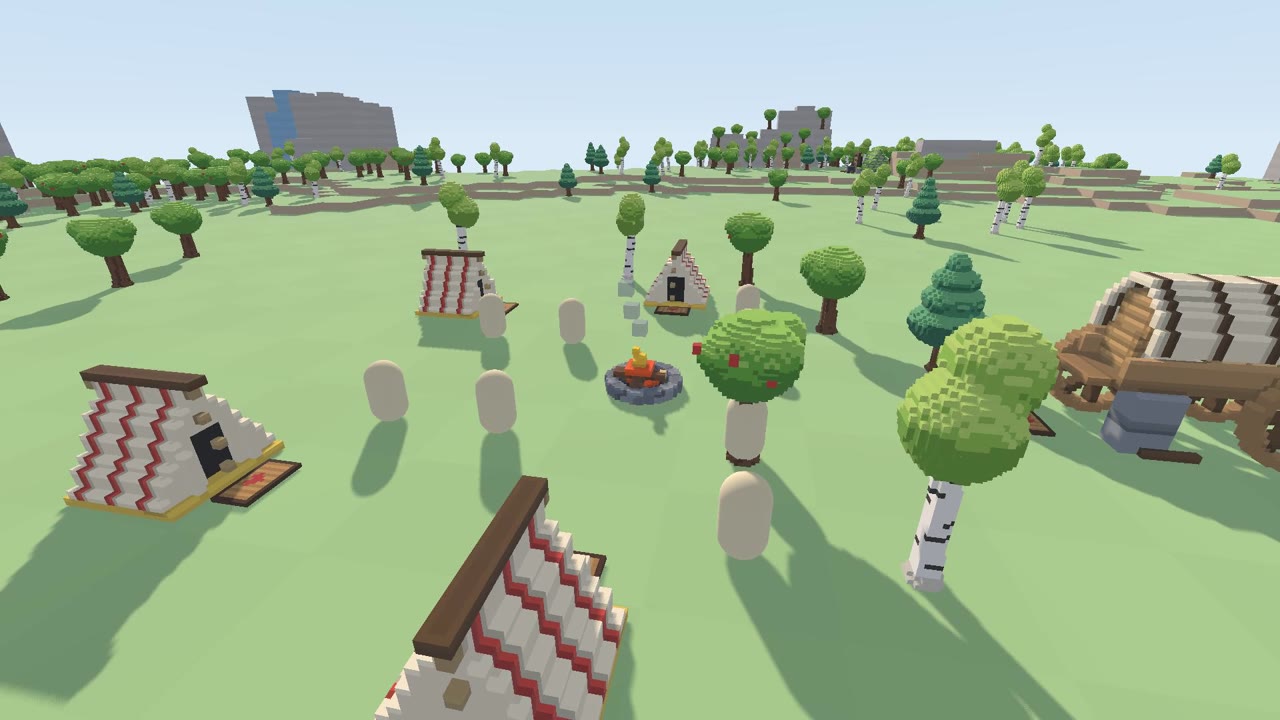
Where every game starts
A wheel splits on the old road, and that is your town: a broken wagon, four tents round a campfire and eight settlers in families, each with a name.
-
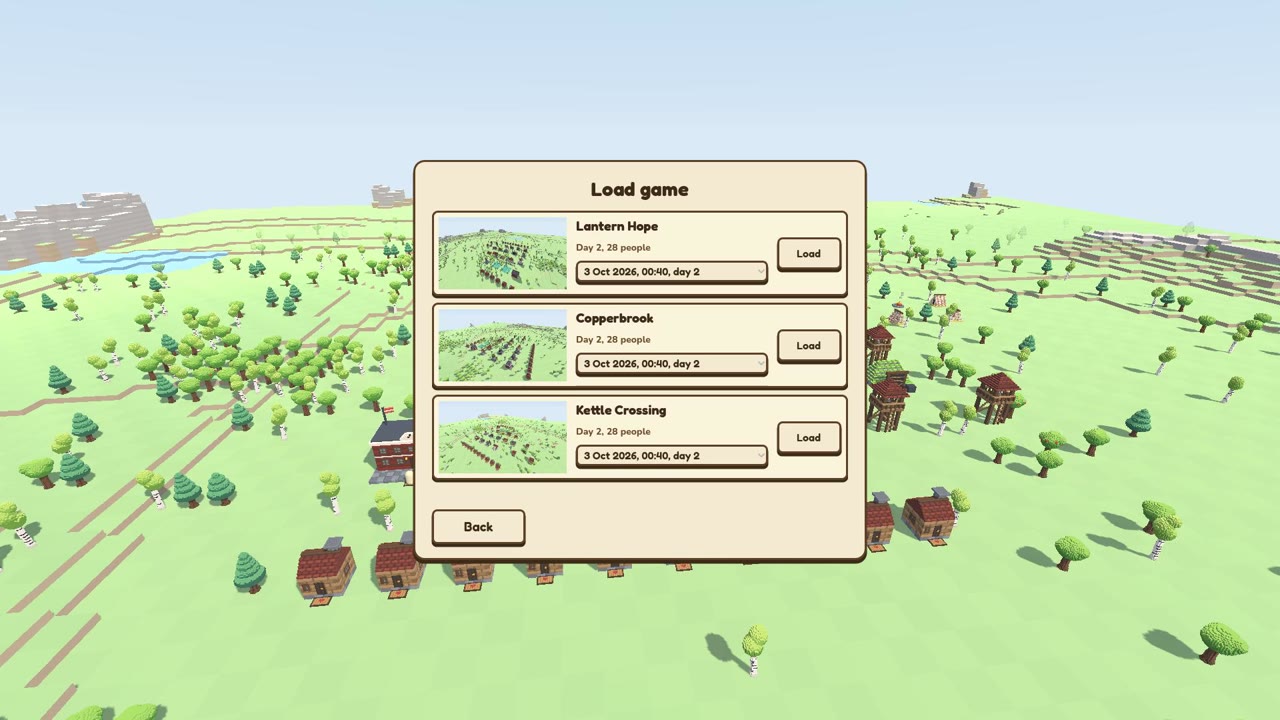
A menu that remembers
One save slot meant one wrong click could wipe the town from last night. So the saves were rebuilt, and the main menu with them.
-
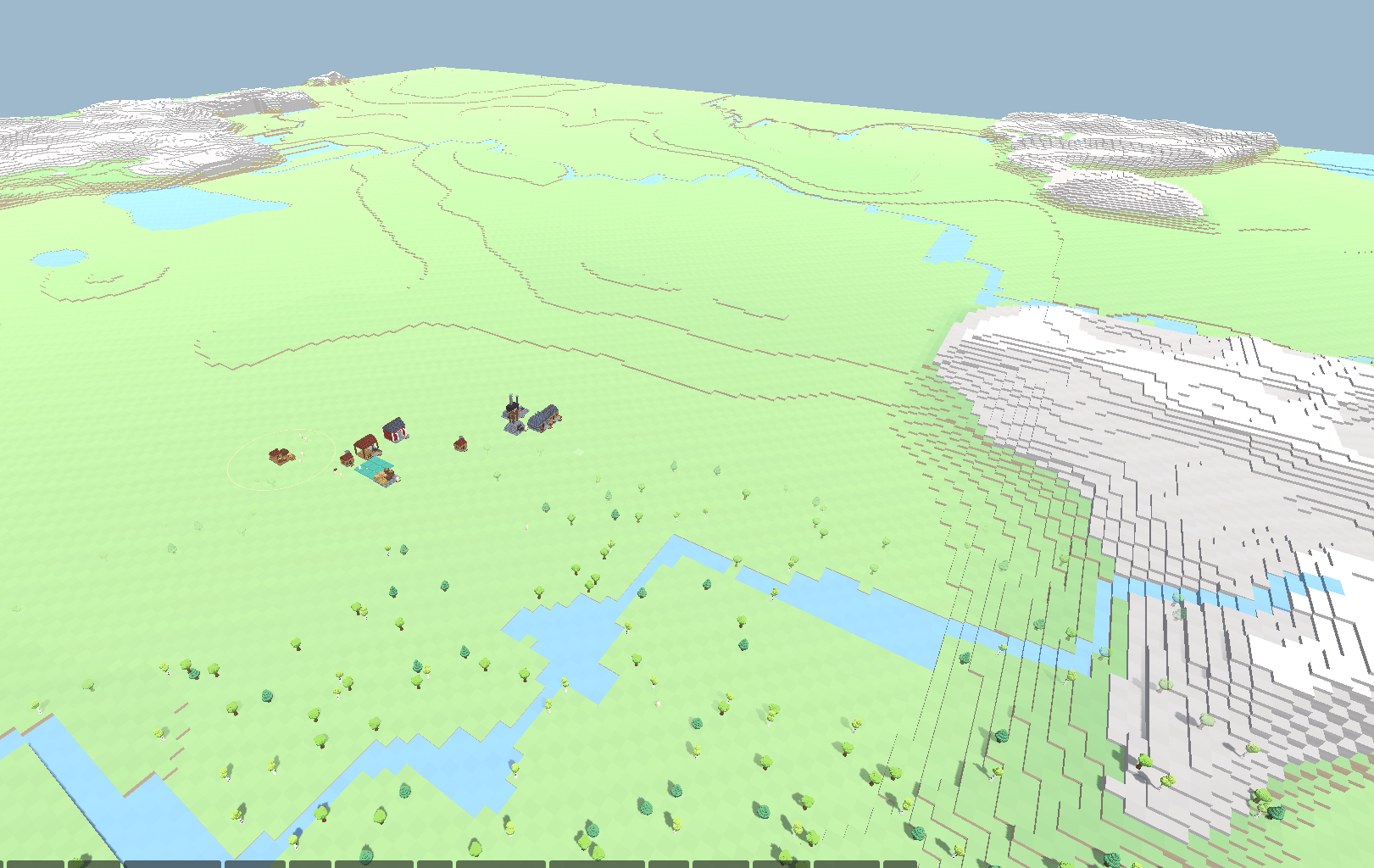
Trees that grow back
Yesterday I admitted the logging camp made wood out of thin air. Today loggers fell real trees and plant new ones, and the flat map got hills, rivers and mountains.
-
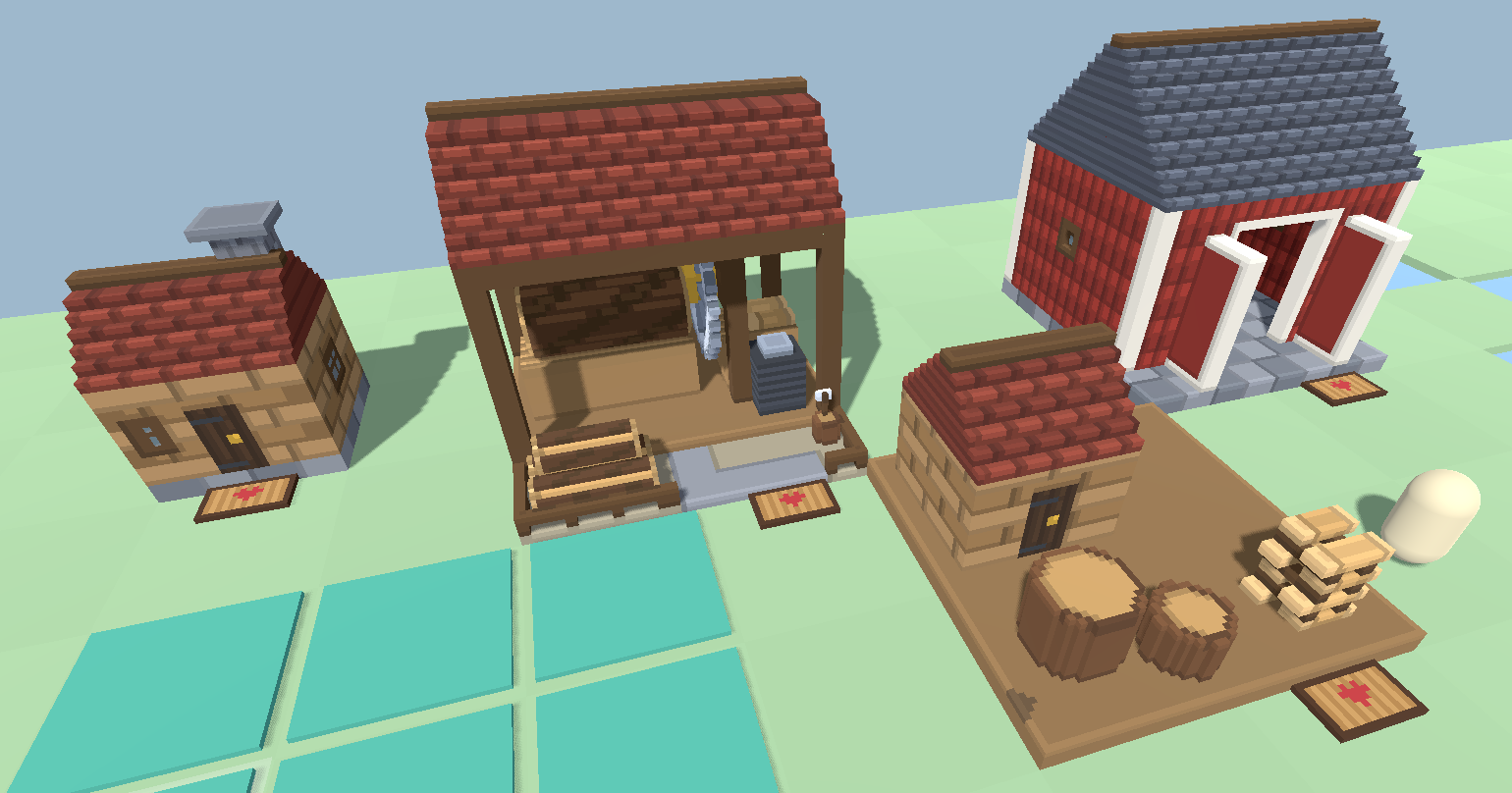
Through the front door
I measured what one busy factory costs, then gave every building a door: haulers walk in, a welcome mat shows the way, and people find work on their own.
-
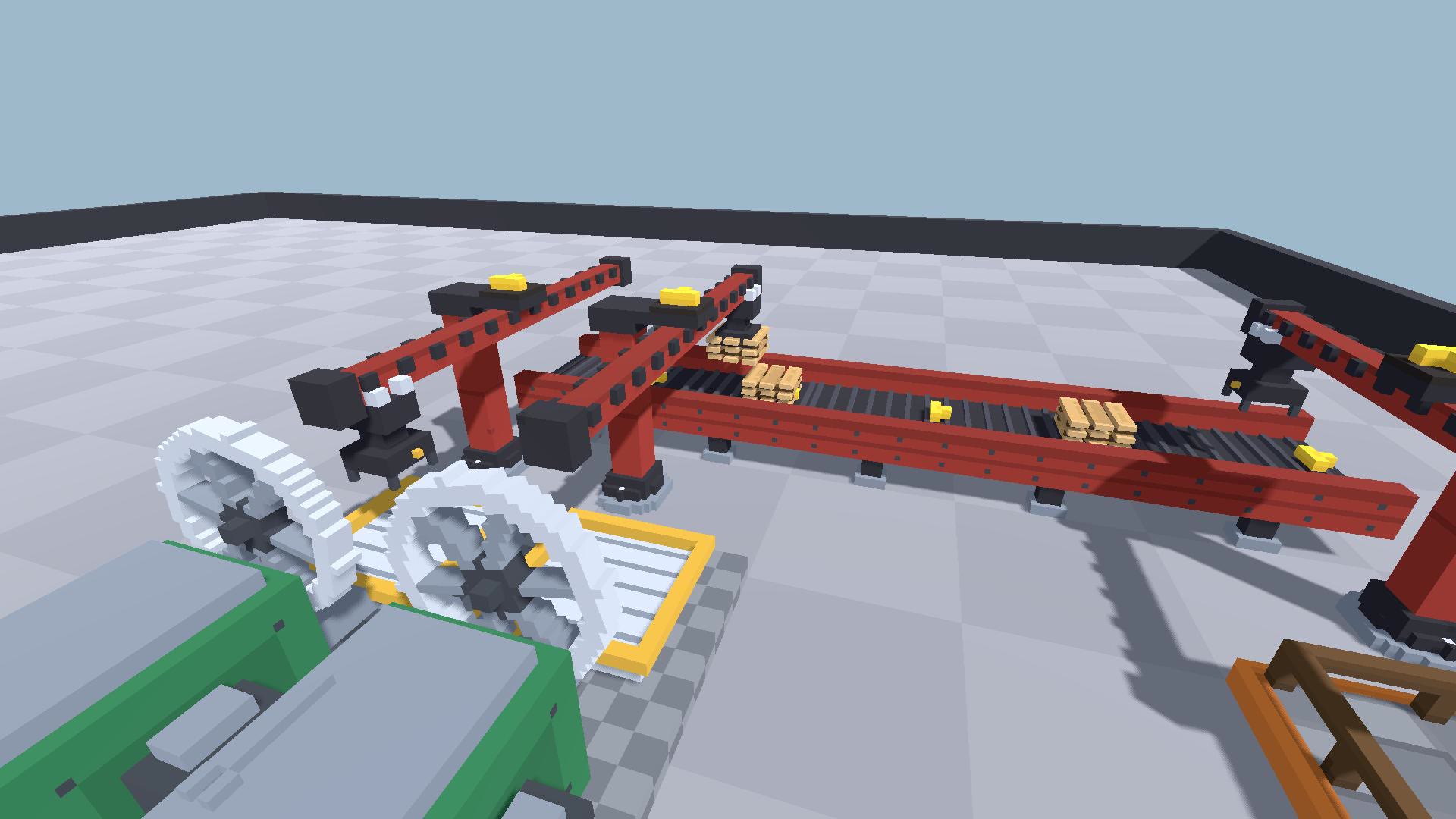
Twice the blocks
I wanted more detail than 16 blocks a tile allows. Going to 32 took a new way of baking models, a redrawn log, and a crane that got in its own way.
-
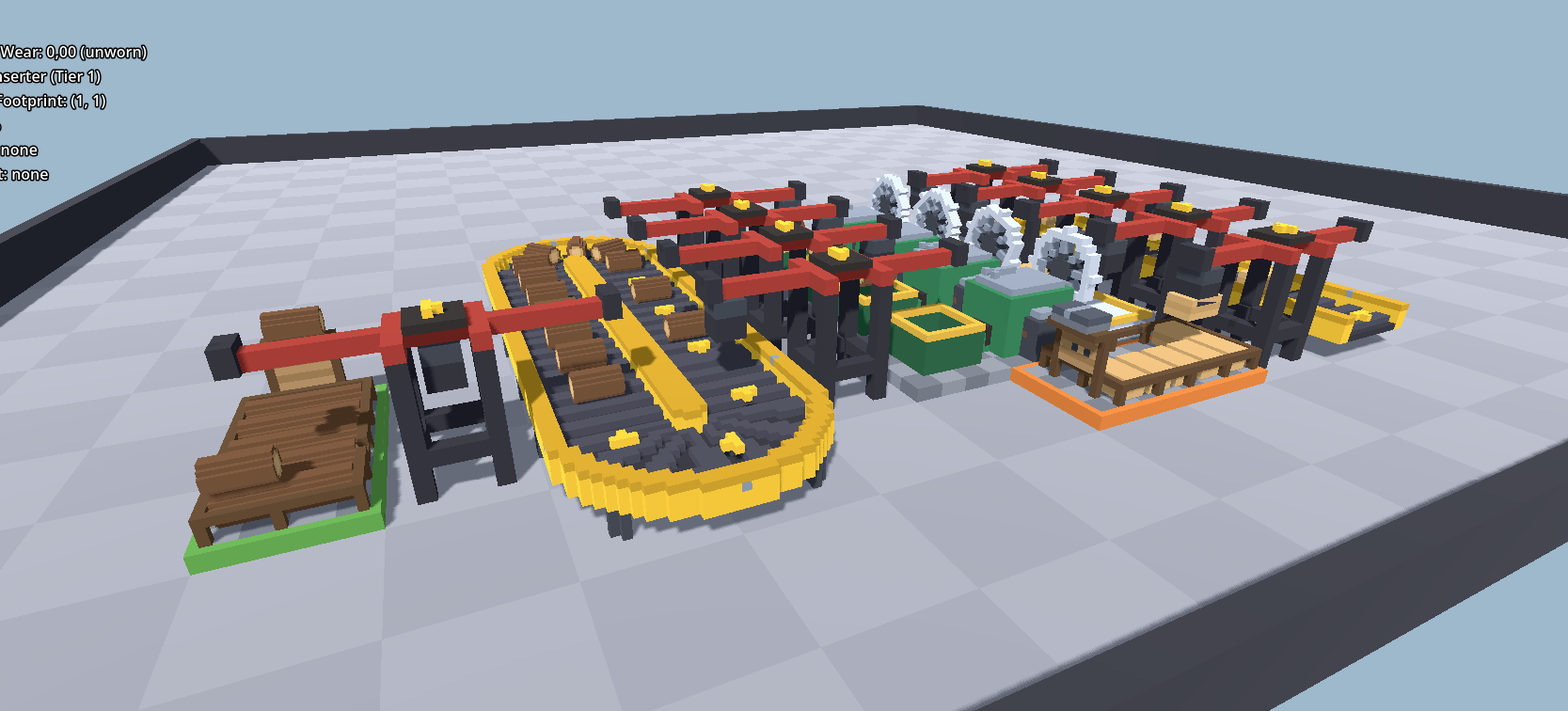
Every factory its own colors
Every factory was the same gray room. Now each has its own palette, the machines look a little worn, and the belts stand on legs.
-
A model editor of its own
The block editor moved in, and with it went a pile of code that never belonged here.
-
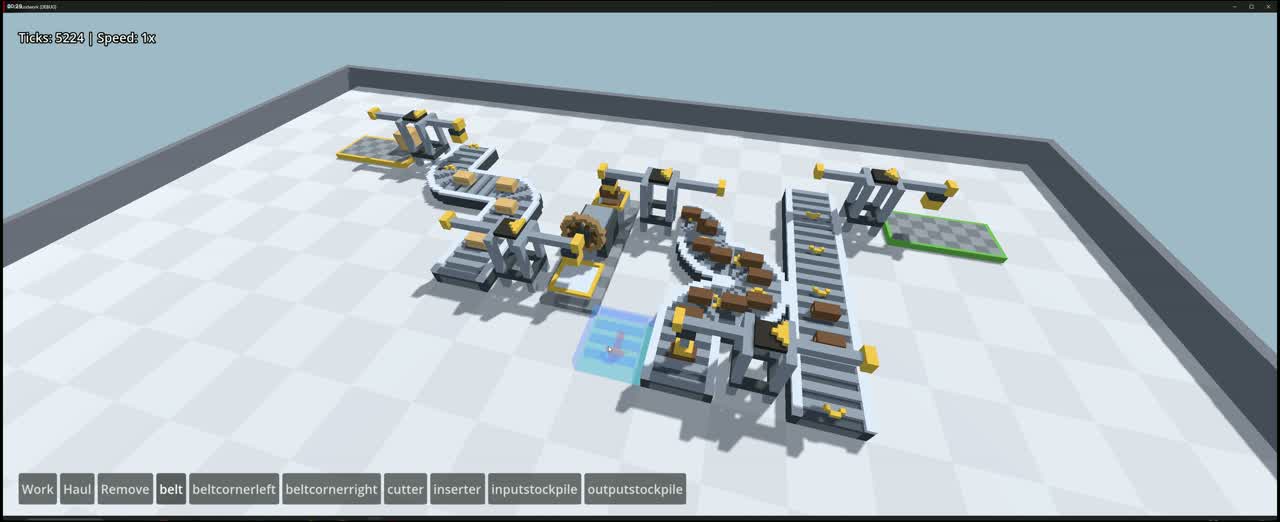
Logs on the belts
My working line was faking it. Now every log travels the whole way, and watching one do it showed me what was broken.
-
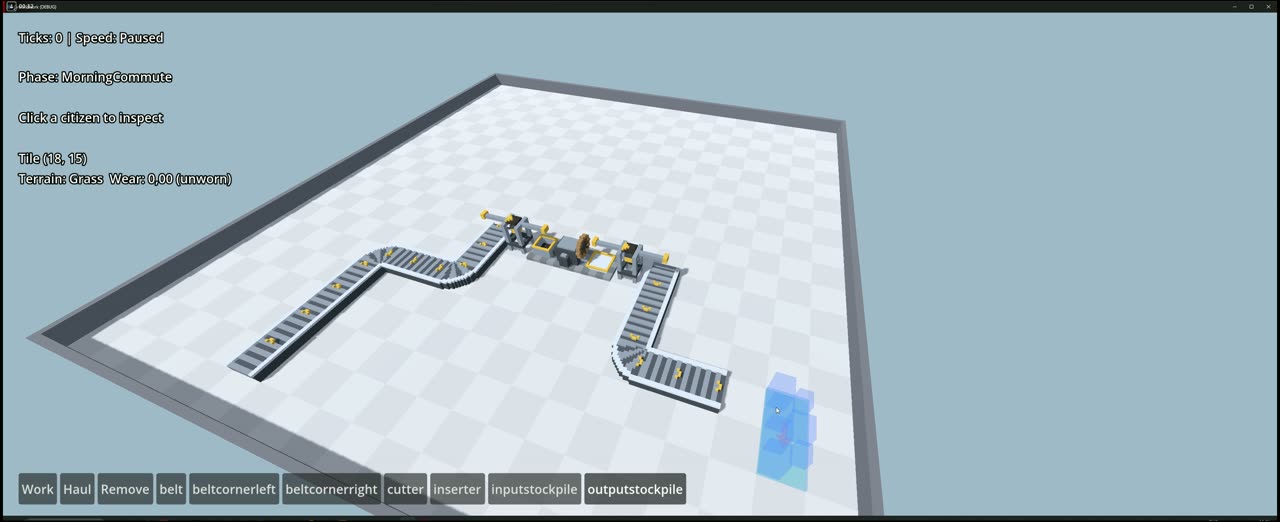
A working line
The inserter got a body, a little gantry crane, and for the first time a line ran from stockpile to cutter and back.
-
Inserters
Standing on the new factory floor, one piece was missing: something to get goods from a pile onto a belt and into a machine.
-
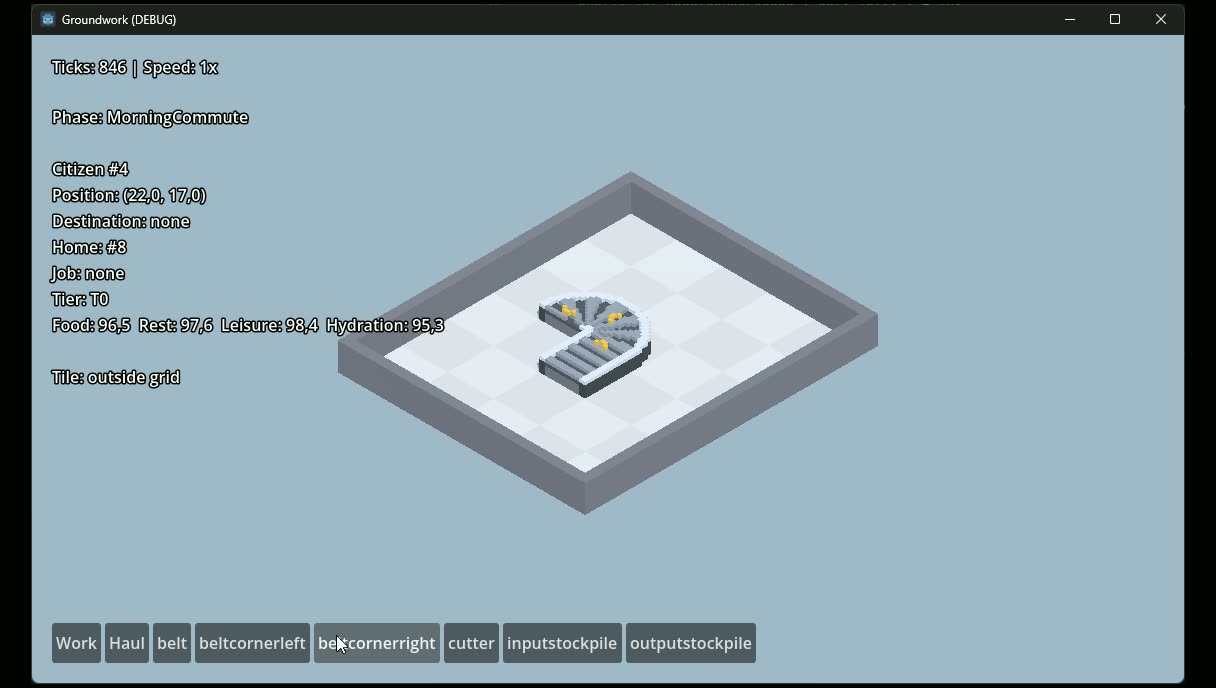
Inside the factory
The gallery grew to thirty-one models, and then I stepped inside a factory in 3D for the first time.
-
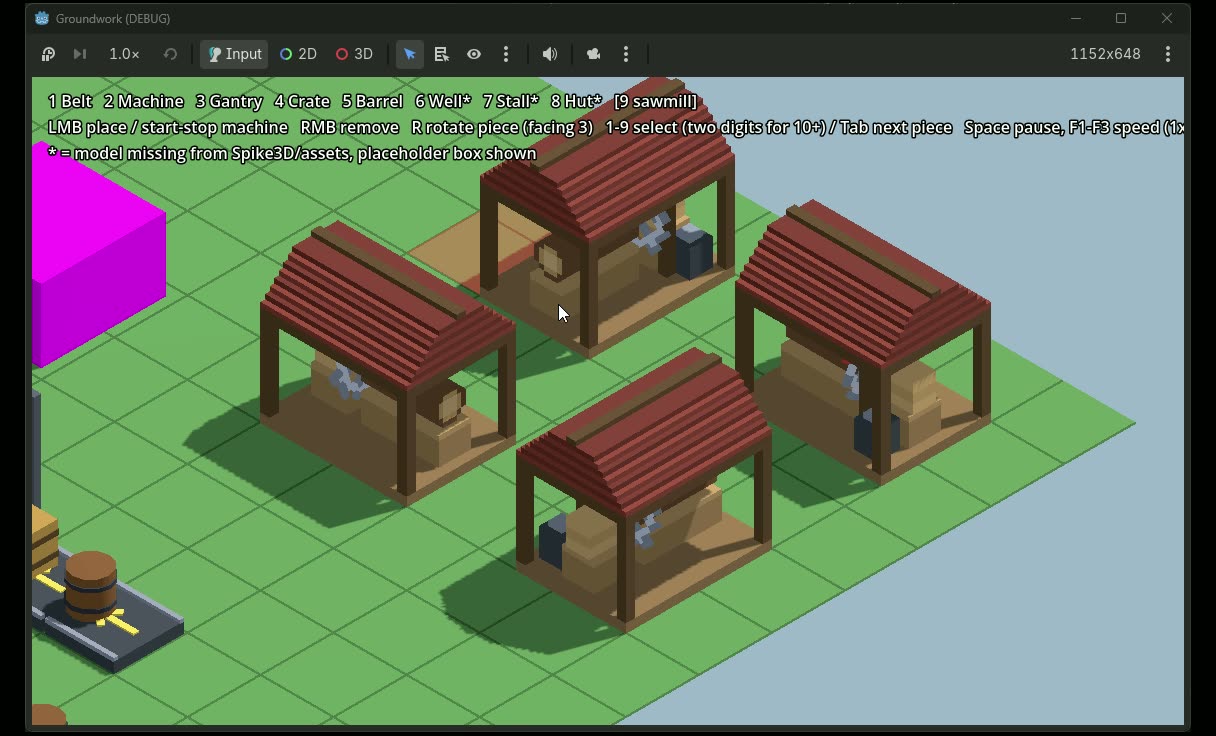
Voxels from code
I am not an artist, so my models are built by code: a shared voxel library, a kit of parts, and the first sawmills on the grid.
-
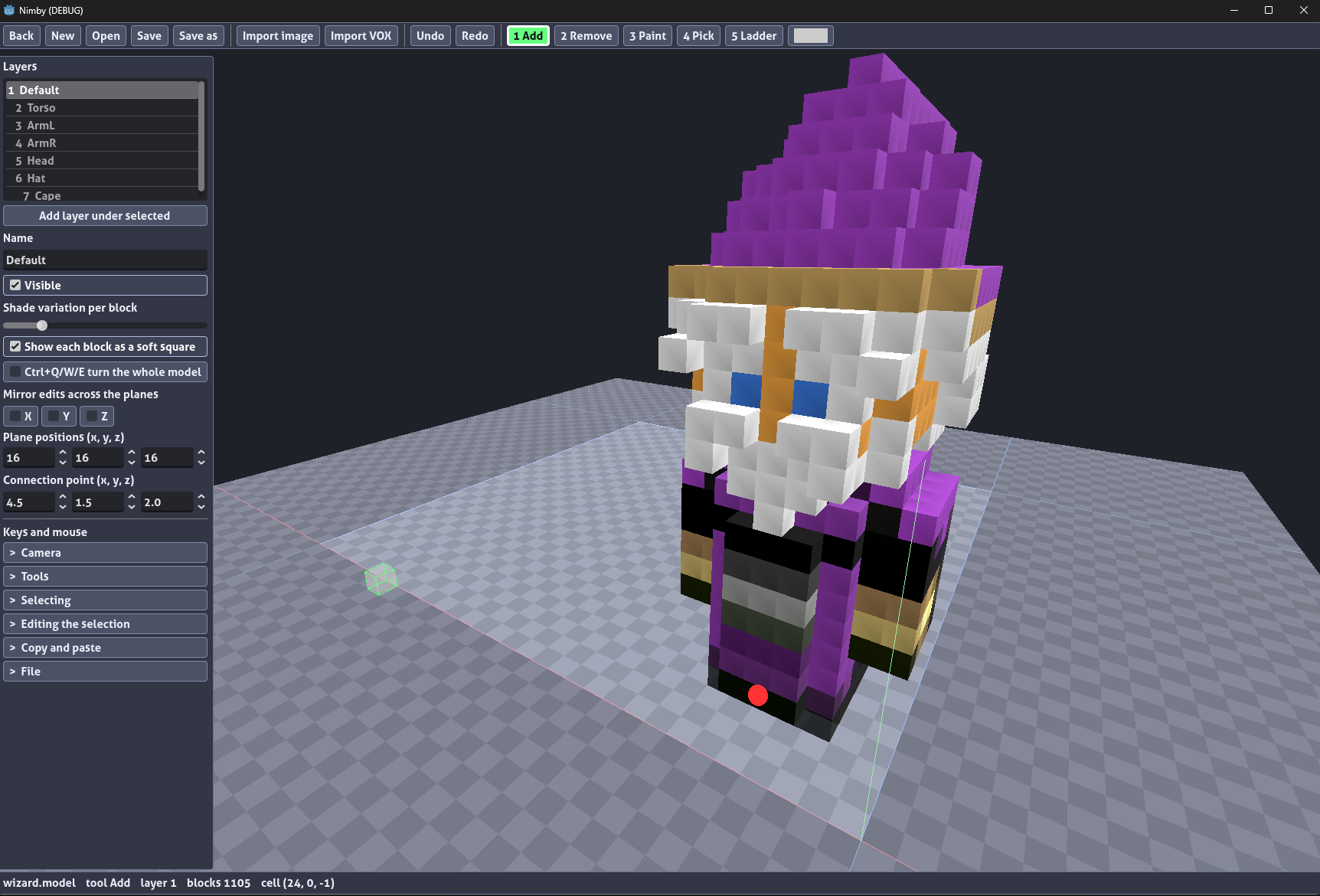
The voxel editor
Going 3D meant I needed models. The block editor from my other project moves to Godot, ready to share them with Cinderdeep.
-
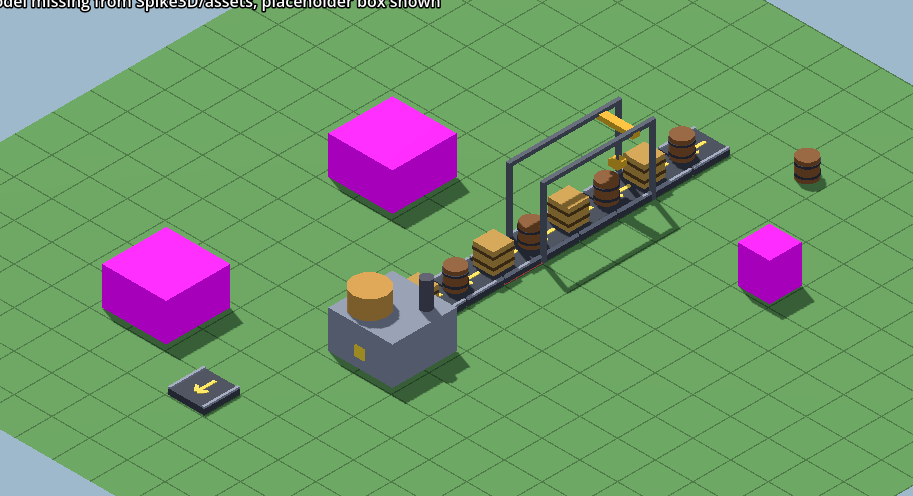
Going 3D
The game was a flat 2D grid until today. One quick 3D test later, everything but the interface moves to 3D.